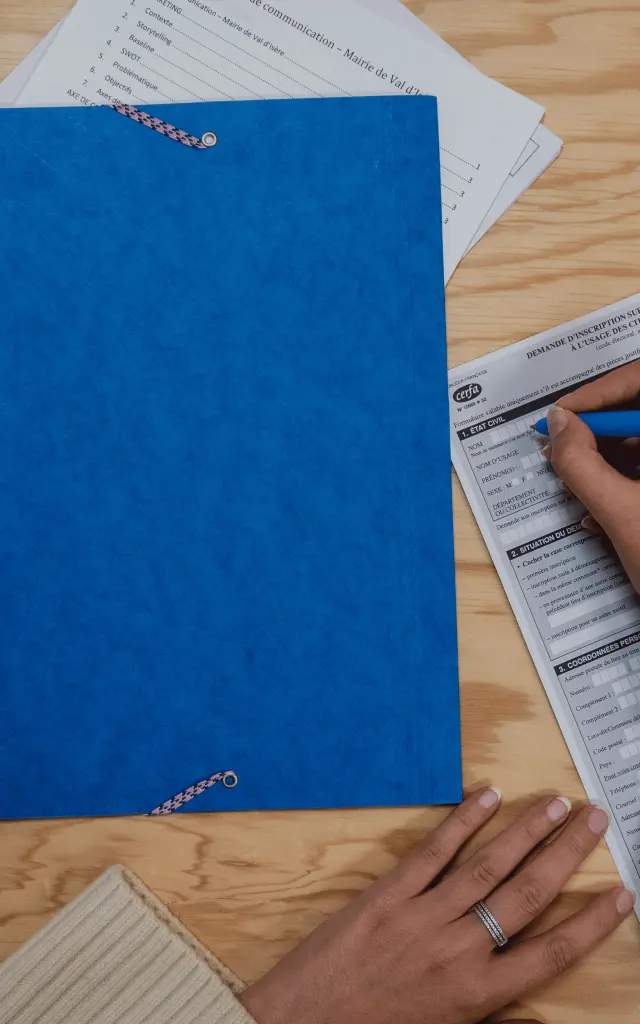
19 councillors elected by universal suffrage
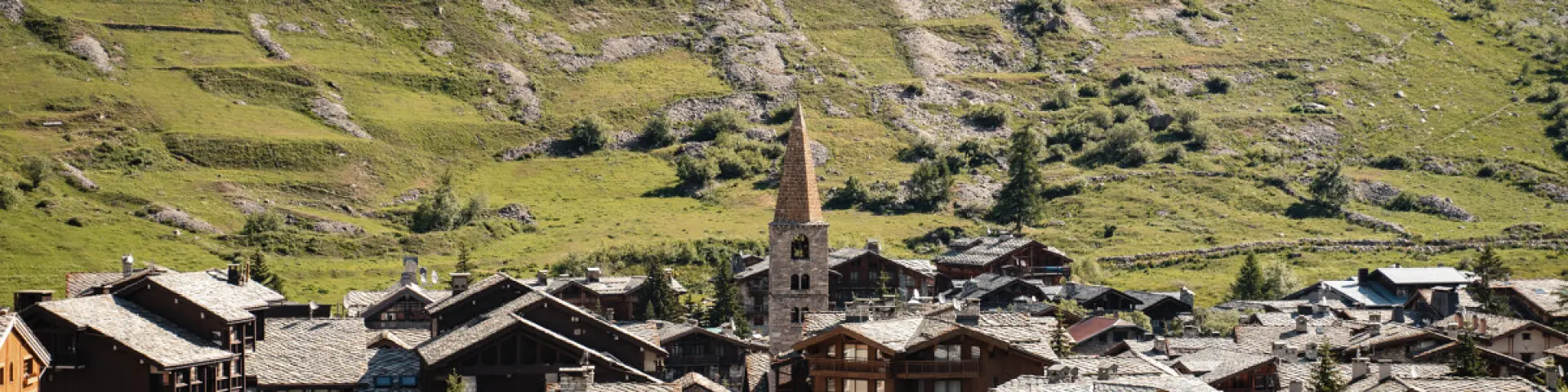
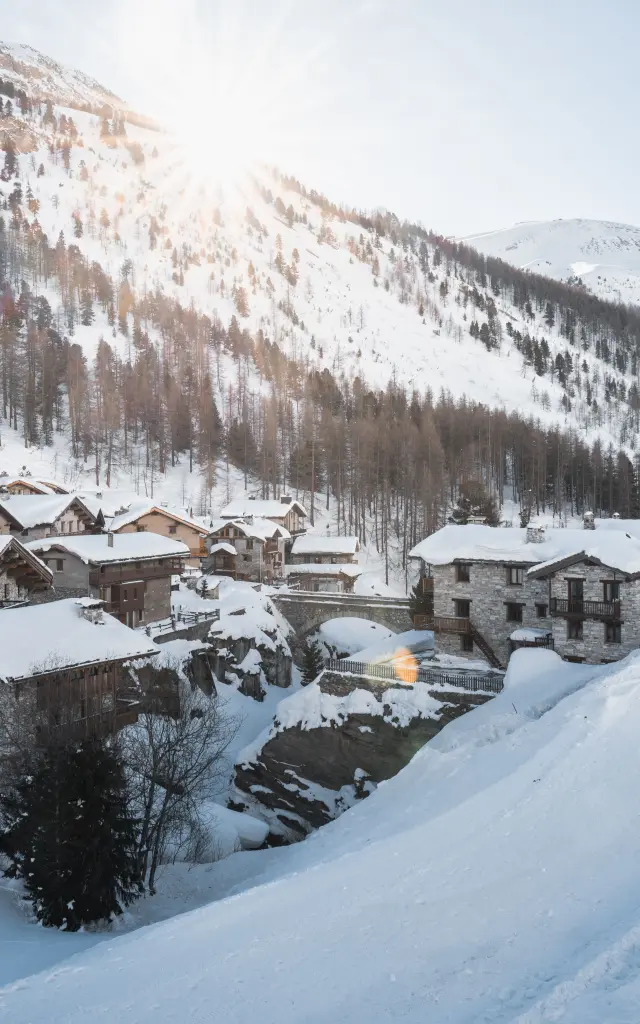
The village centre of Val d'Isère in summer
|
A town hall, What's the point of that?
Val d'Isère Town Hall At a glance
What the Town Hall decides for you, every day
Val d’Isère Town Hall is not just another local authority. It is the level of government closest to you: the one that decides on the condition of your street, the running of your children’s school canteen, your waste collection or any building projects in your neighbourhood.
Its remit covers six main areas.
Public spaces and your journeys
The town hall maintains the local roads, pavements, street lighting, cycle paths and green spaces. It organises parking, pedestrian zones and traffic flow within the village.
In Val d’Isère, it also coordinates traffic management plans during periods of high tourist numbers.
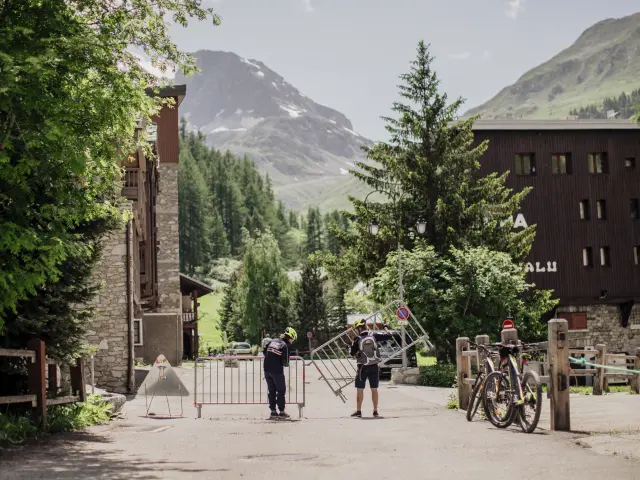
Municipal police officers are putting up barriers
|
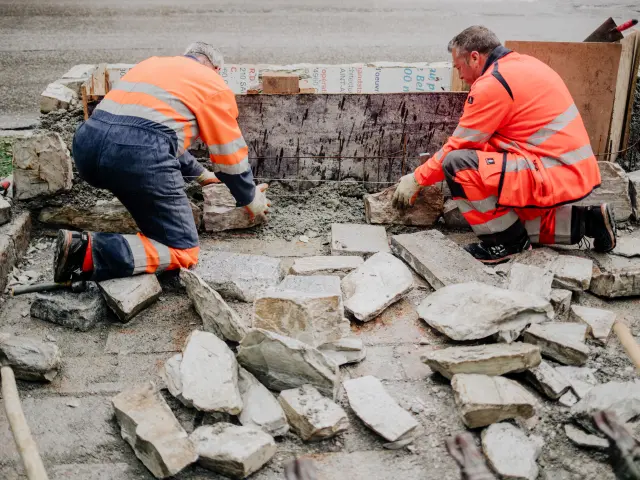
Highway Department staff hard at work
|
Community facilities and the school
The town hall funds and maintains public facilities: the school, sports hall, media library, cinema, Maison de Val and the cemetery. It manages school meals, out-of-school activities and before- and after-school childcare.

Workout at the gym
|
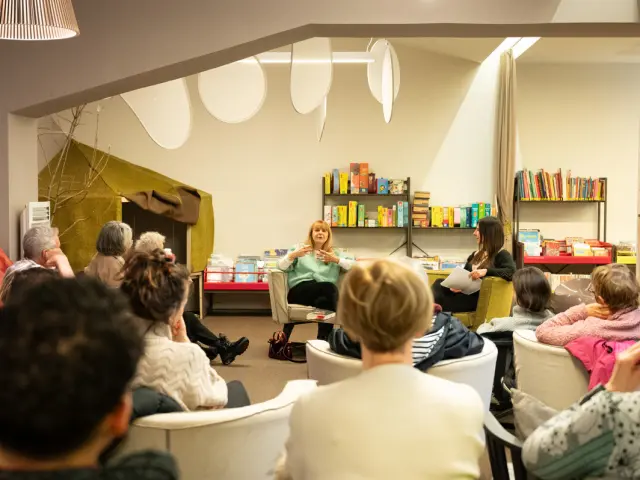
Literary event at the media centre
|
The environment and your living conditions
The town hall organises waste collection and the upkeep of public spaces. It oversees the council’s environmental commitments — including the Flocon Vert initiative.
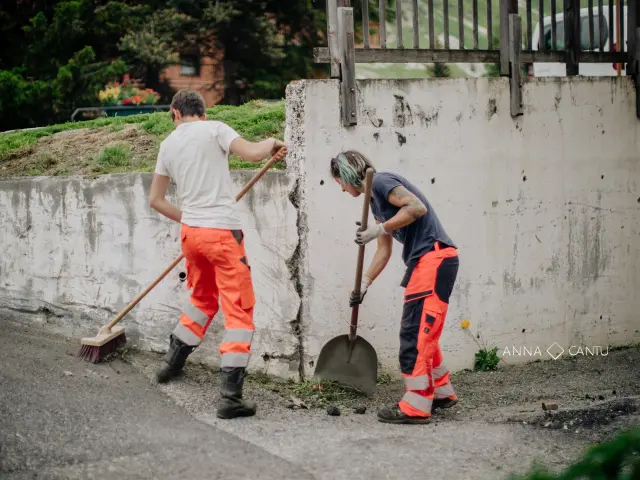
Staff in the Working Environment Department
|
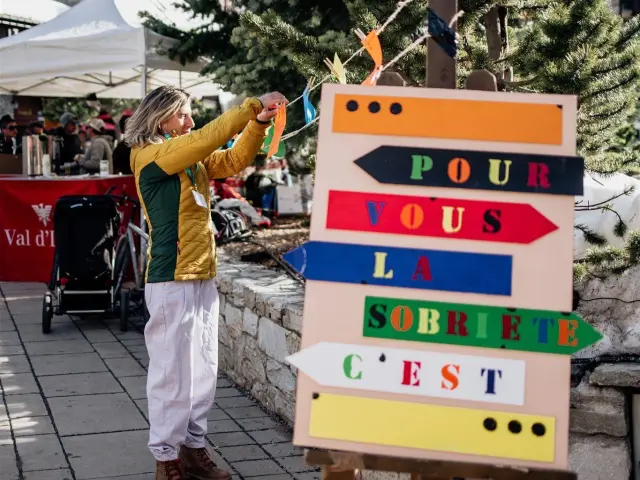
Ecomove Day
|
Social welfare and solidarity
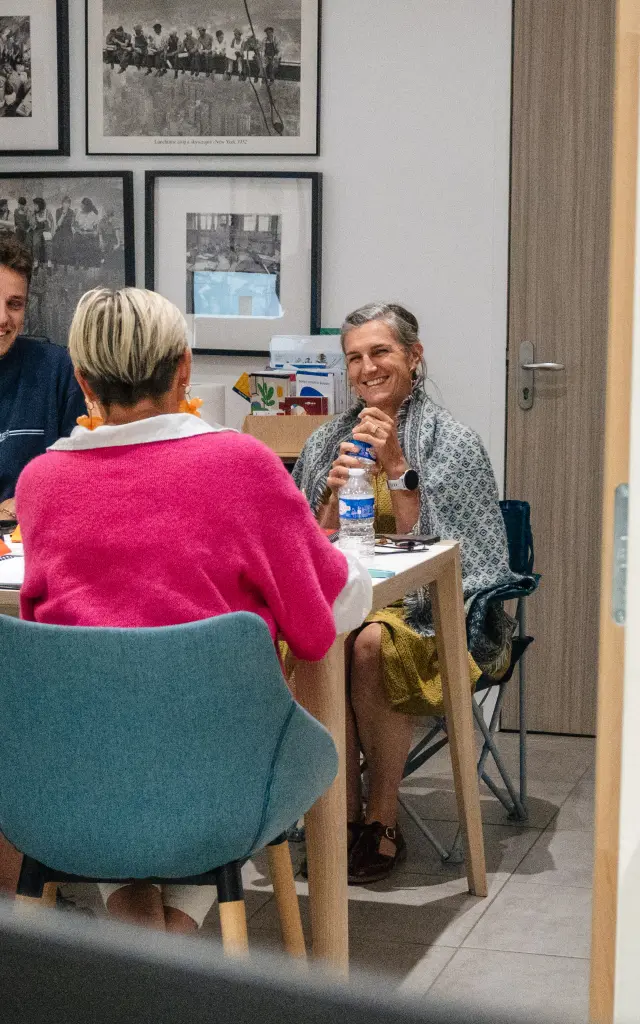
The Municipal Social Action Centre (the local authority’s social services) offers support to people who are isolated or experiencing difficulties, regardless of their age: home-delivered meals, emergency financial assistance, access to food, and help with administrative procedures.
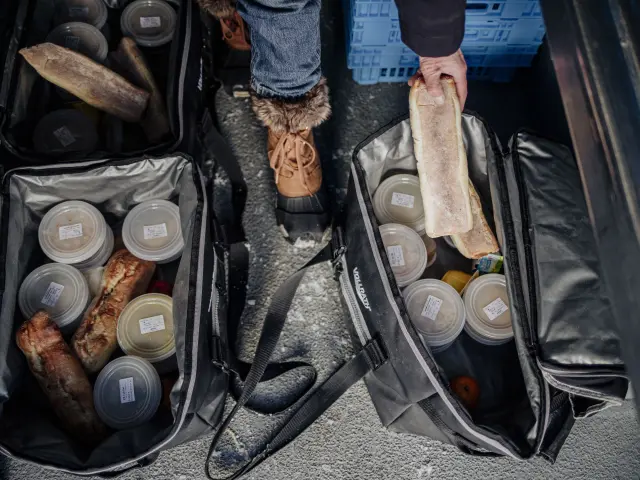
Home meal delivery by the CCAS
|
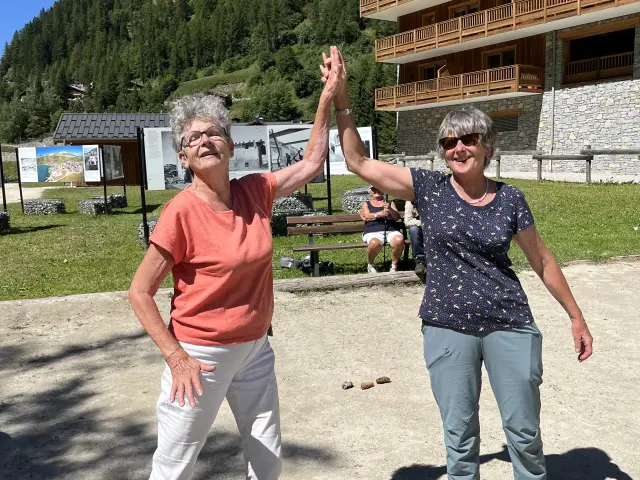
Happy residents in the village centre
|
Town planning and construction
The local council sets out local building regulations through the local development plan. It issues planning permission and ensures that projects comply with land-use planning regulations.
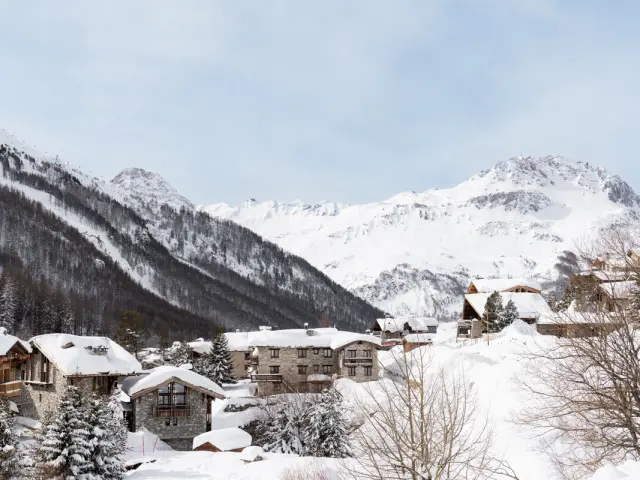
Le Fornet in winter
|
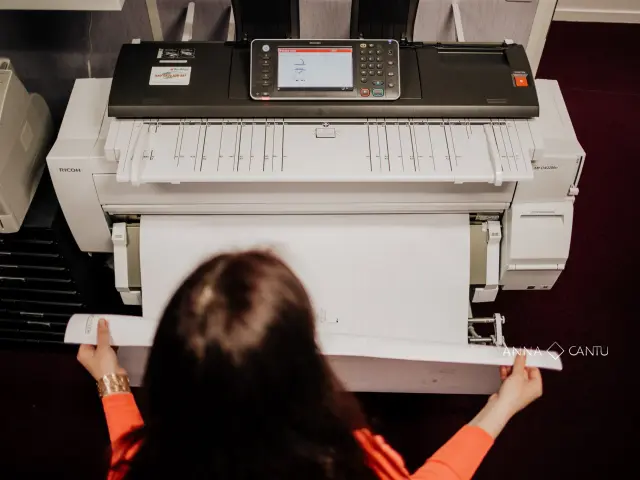
The town planning officer prints out a map
|
Administrative procedures
The town hall issues civil status records (births, marriages, deaths, etc.), as well as certificates and other documents. It also acts as the local point of contact for certain formalities on behalf of the State: the census, the organisation of elections, and the legalisation of documents.
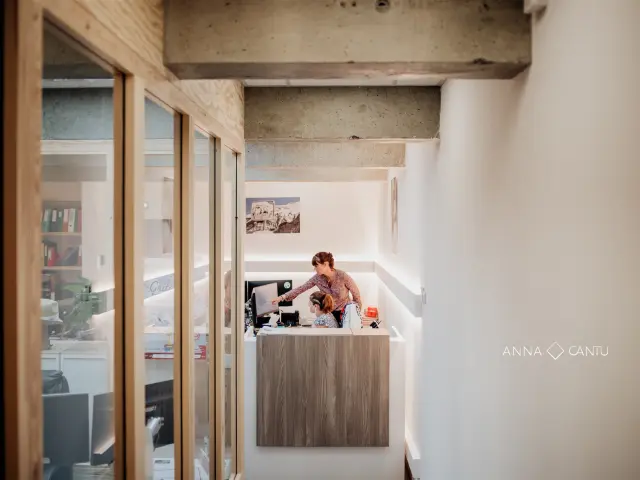
Women at work
|
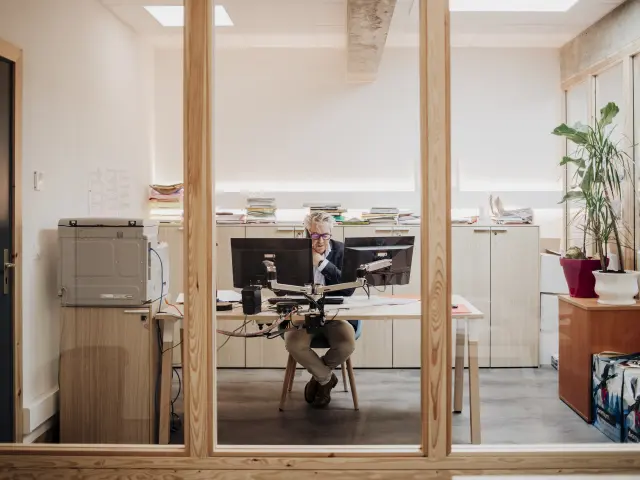
An administrative assistant at work
|
How decisions Are they taken?
In Val d’Isère, as everywhere else in France, local council decisions are the result of a well-defined democratic process. Three key players are at the heart of this process.
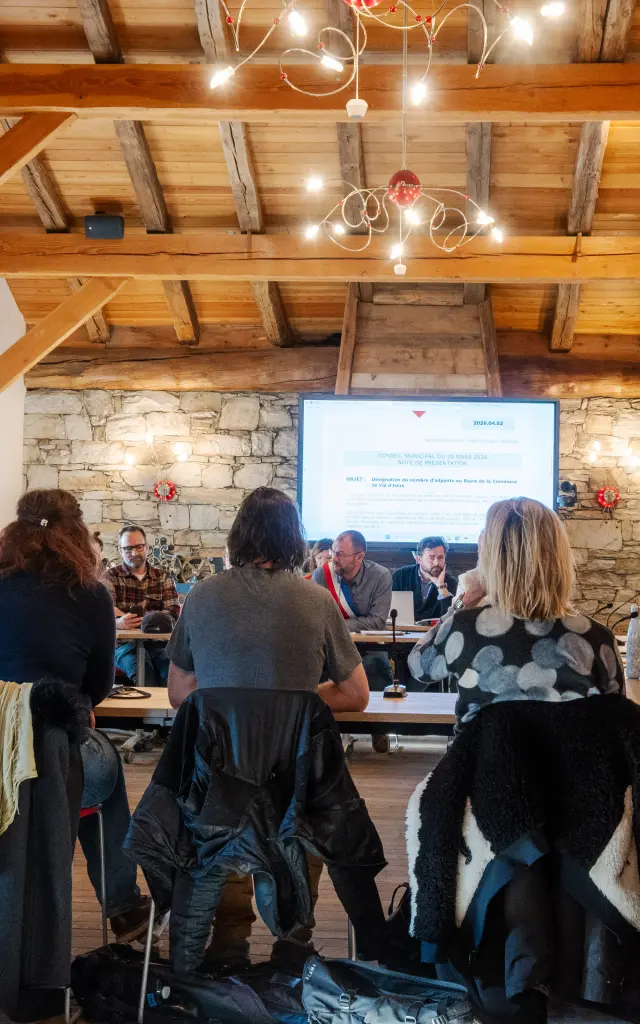
The municipal council is the local authority’s decision-making body. It comprises 19 councillors elected by residents in local elections for a six-year term.
It is the municipal council that votes on the budget, approves development projects and sets the broad guidelines for local policy. Its meetings are open to the public: you are welcome to attend.
The mayor: implementer of collective decisions
The mayor is elected by the councillors at the first meeting following the elections. He does not act alone: he prepares and implements the decisions voted through by the council, under the council’s supervision.
He represents the local authority in official matters, signs contracts, draws up the budget and oversees municipal services. He may delegate some of his duties to his deputy mayors, each of whom is responsible for a specific area.
Municipal staff: the builders of everyday life
Behind every municipal service, there are men and women working every day across the local area. 160 municipal staff in Val d’Isère carry out the council’s duties all year round.
The local council does not have control over everything. Certain responsibilities lie with other levels of government: central government, the department, the region or the association of local authorities.
❌ Examples of matters which the town hall does not decide on or take responsibility for include:
- National and departmental roads (the responsibility of the State and the department)
- Regional transport fares (a regional responsibility)
- Rents in the private housing sector (a national responsibility)
- Benefits and pensions (a national responsibility)
✅ On the other hand, the local council can go beyond the legal minimum. It can choose to increase social assistance, add cycle paths, offer an organic canteen or develop a participatory budget. This is where local elections are so important: they define the level of local ambition.
How to take part on municipal decisions?
The town hall is not a closed space. There are several ways for you to get actively involved.
🎥 Attend town council meetings
The meetings are open to the public. They are held every month in the Marcel Charvin Council Chamber. Minutes are displayed at the town hall and published on this website after each meeting.
✍🏻 Take part in public inquiries and consultations
Some projects are subject to a public inquiry or a consultation with local residents. These opportunities for participation are announced in the news section and on the village noticeboards.
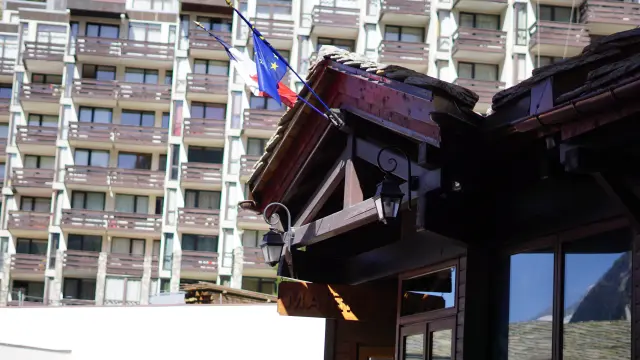
Entrance to the town hall
|