Case study: the Local Urban Development Plan and communal forests
Testimonial from Louis Constantin, a forestry technician at the ONF (National Forestry Office) in Val d’Isère.
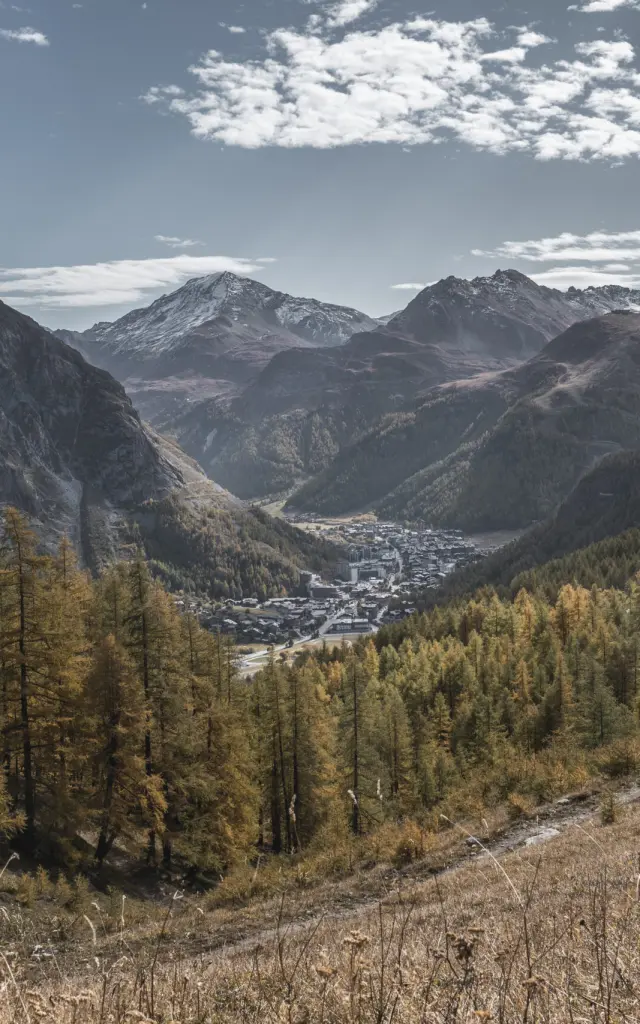
“433 hectares of communal forest are managed by the ONF. This area is important as it is home to a rich diversity of animal and plant species. The conservation policy currently in place is well suited to the challenges arising from the functions of forests: it is essential that the Local Urban Development Plan (PLU), despite the considerable land-use challenges, continues to protect them.
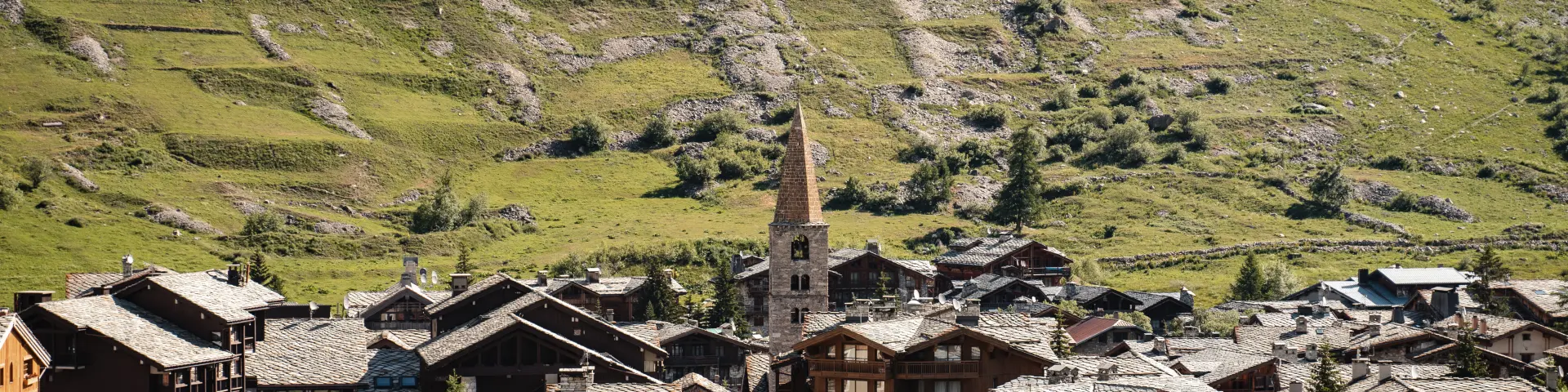
In Val d’Isère in particular, a territory nestled amongst the mountains, they fulfil fundamental roles:
- They protect human activities from natural hazards by stabilising the soil and snowpack, and by slowing down rockfalls and avalanches.
- They enable the public to enjoy the natural environment, a major asset of the area
- They maintain biodiversity by enabling numerous ecosystems to thrive
- They help to filter and purify water
- They play a heritage role, bearing witness to the area’s history, as they preserve traces of climatic events (droughts, etc.) and human management (the cultivation of certain tree species, the presence of pastures, etc.)
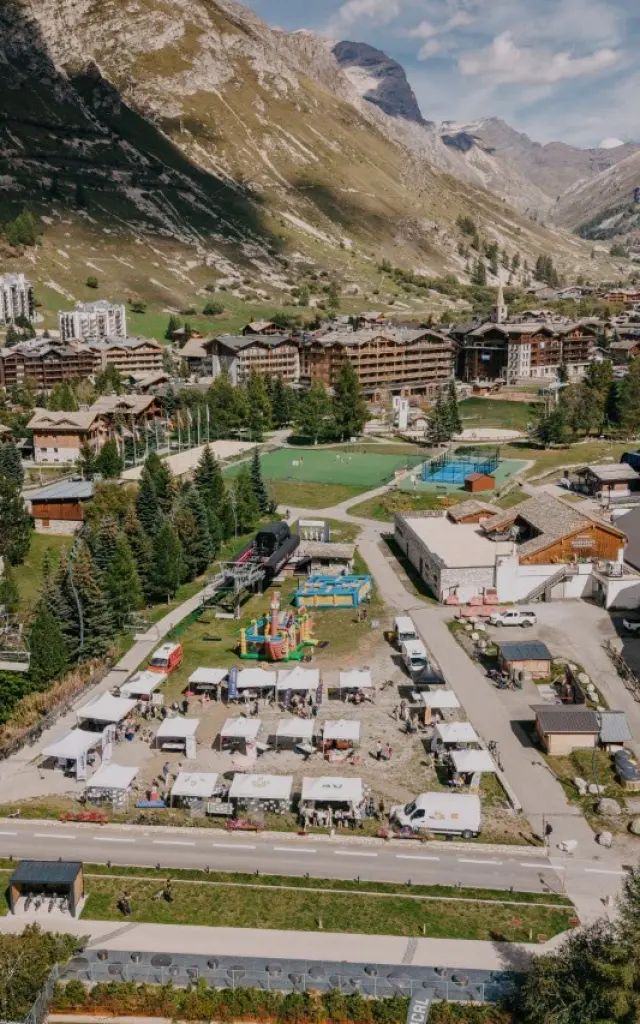
The forestry technician is responsible for ensuring the conservation of the forest and is vigilant against any abuses that may occur. In particular, it is necessary to monitor the boundary between the outskirts of the village and the edge of the forest. In addition to unauthorised building that may encroach on communal land, construction work can damage the soil, cause earthworks and result in the presence of waste, amongst other things. The Local Urban Development Plan (PLU), together with other environmental protection legislation, provides a legal basis for protecting the area and taking action in the event of breaches. Conversely, residents may also be inconvenienced by the forest if buildings are too close to it, for example by receiving little light.
Within the village, limiting urban sprawl and preserving natural spaces are key priorities. These biodiverse environments offer a refuge for wildlife passing through the village, whilst also benefiting human well-being: it is therefore a win-win situation.
The local economy depends on the natural environment and easy access to nature: the management of these areas must adapt accordingly. Deforestation may sometimes be necessary to sustain the village’s economic development. The general public must be allowed to engage with forested areas, whilst ensuring that access routes are properly managed so as not to disturb local wildlife. The Local Urban Development Plan (PLU) has a role to play in striking this balance and in decisions regarding the management of natural areas.”
Interview conducted in January 2024.