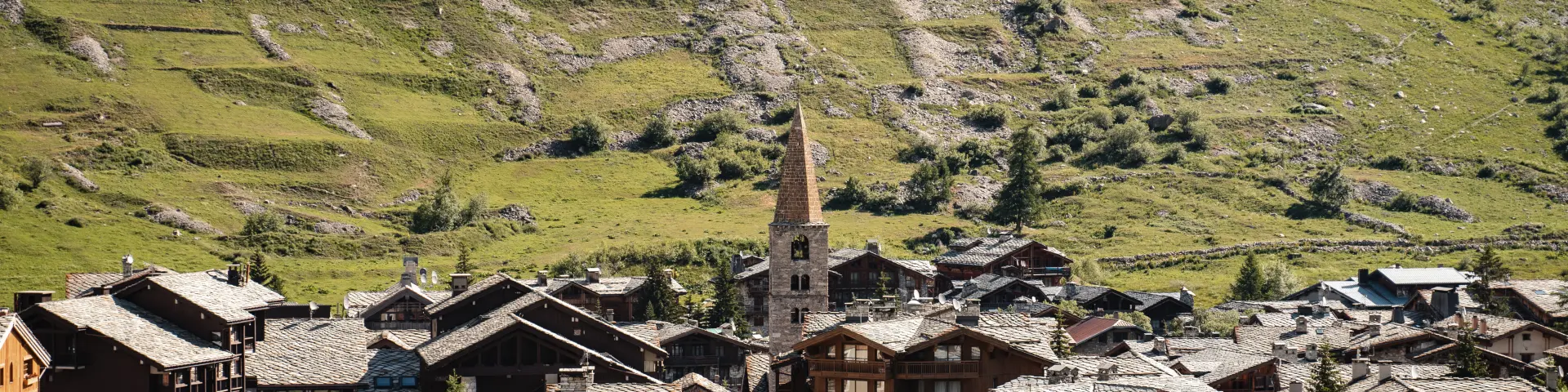
Questions for elected representatives: an interview with the Mayor, Patrick Martin
What role should a local authority play in the transition to sustainability?
The local authority must act as a catalyst, a leader and a facilitator. This is generally true across all areas, but particularly so in this regard.
In your manifesto, you spoke of implementing sustainable and sensible development that respects nature: halfway through your term of office, how far have you got with this objective?
We’re on the right track. It takes time, as with any public policy, but what we’ve set in motion over the past three years is already extremely positive: setting up a sustainable development committee, securing the ‘Flocon Vert’ label in support of continuous improvement… This is, of course, only the beginning, but we have already laid solid foundations.
What are the three major projects you plan to launch between now and the end of your term of office?
I wish to continue with the project to redevelop the former swimming pool site, undertake amendments to the Local Urban Development Plan (PLU) and continue to develop energy-efficient refurbishment of public buildings.
The town has been awarded the ‘Flocon Vert’ (Green Snowflake) certification. How long has the council been working on this issue?
The previous mayor’s team had begun to explore the issue, but we were able to step up our efforts right from the start of this term of office. The appointment of a sustainable transitions coordinator was a real catalyst for making rapid progress on this issue.
Which project are you most proud of?
Pride isn’t a feeling that drives me when it comes to my work. I’d rather talk about happiness. I’m delighted every time we manage to see a project through to the end, and to work hand in hand with partners. I think it’s important to know the local area well – and not just our own. Reaching out to others, collaborating with our neighbours in Tignes, with the Community of Communes (CCHT), singing with the mayor of Bonneval: these ‘little’ moments bring me a great deal of joy.
In the magazine, you told us about the three most important initiatives. Are there any others?
Of course! I think it’s essential to highlight the support the council provides to local organisations, as well as the development of initiatives aimed at ensuring the mountains remain inhabited. Val d’Isère is, first and foremost, a village. It was this village that gave rise to the resort, so we must ensure that the resort does not destroy it.
What is your vision for a sustainable Val d’Isère in 30 years’ time?
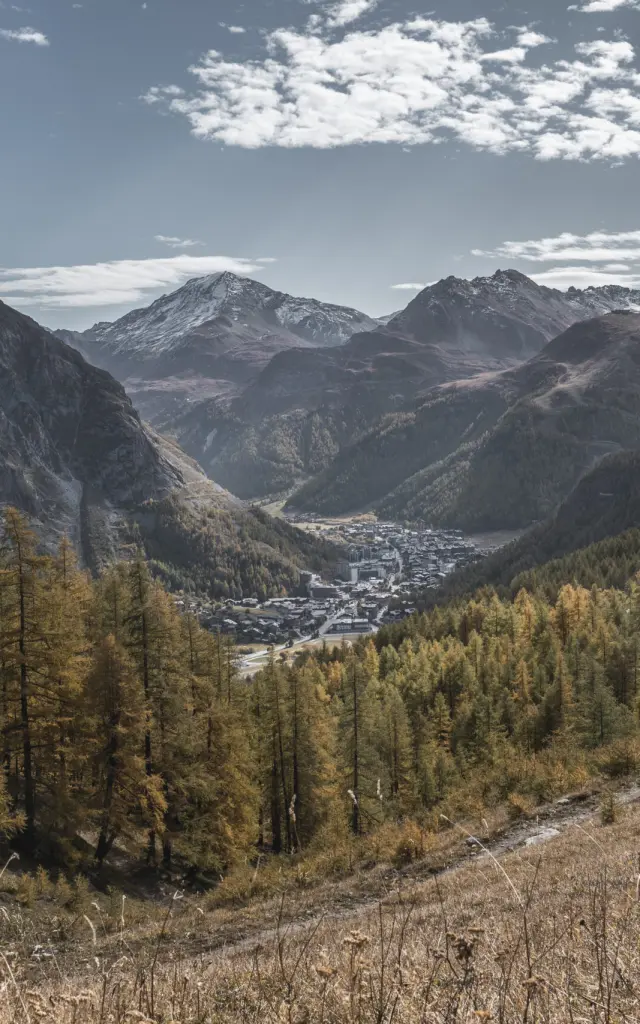
In 30 years’ time, there will still be a village. People have lived here for over 1,000 years; there is no reason why the residents should leave in the years to come. The tourist resort will still be there too: we’ll be celebrating its centenary. There will be snow, but gradually we’ll see a balance between winter and summer activities. I think people will come to Val d’Isère in search of bearable summer temperatures and a well-preserved environment.
Interview conducted in December 2023