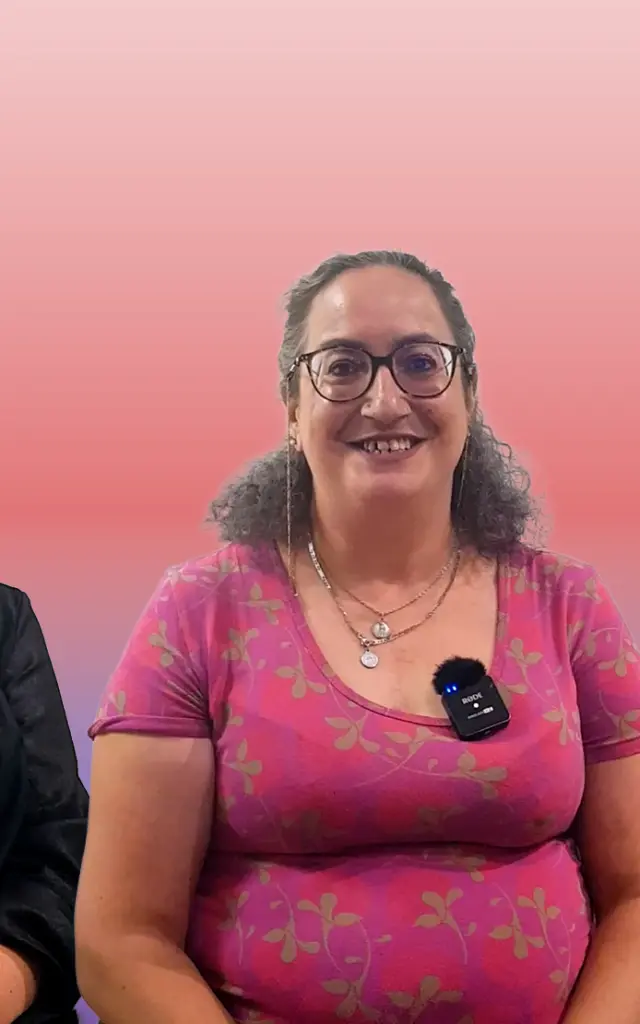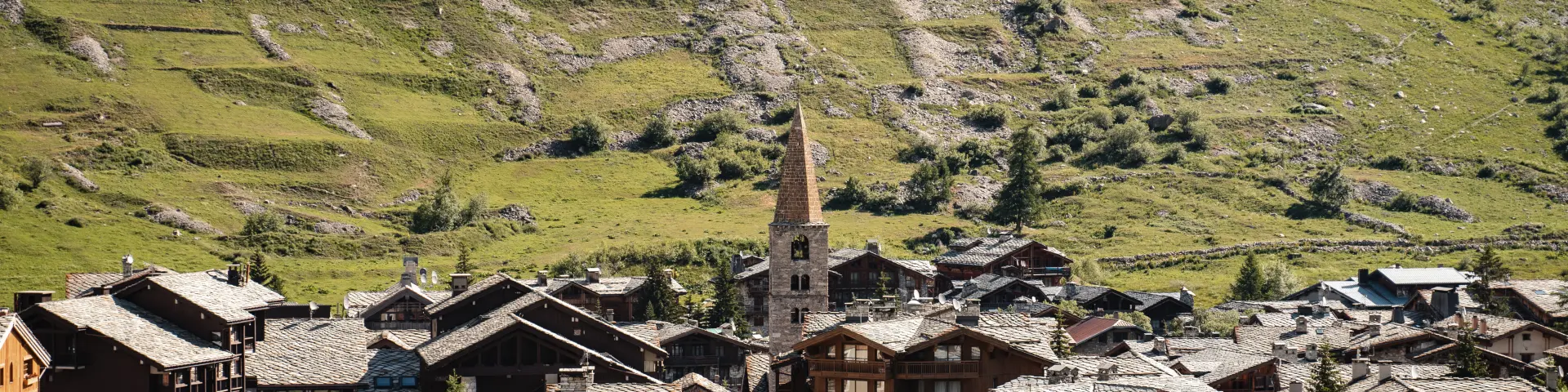
Sophie Dormoy: being a firefighter in Val d’Isère
From volunteer firefighter to deputy station commander: a commitment to serving others!
After three years as a volunteer, Sophie Dormoy decided to become a professional firefighter. Having recently taken up her post in Val d’Isère, Sophie chose this region for its strong sense of community spirit, which is more pronounced in a mountain village than in other areas. Indeed, far from the clichés of adventures worthy of the best action films, it is the contact with people and the sense of community that lie at the heart of the job. This strong human element drives Sophie day in, day out, whether during call-outs, training exercises or everyday life at the fire station. She also emphasises the constant opportunities for development that this work offers. Joining the fire service means discovering a world of its own, learning something new every day and developing new skills.
A firefighter’s daily life
Whilst their status may differ, at the fire station everyone is on an equal footing, whether professional or volunteer. The two groups meet there, train together and carry out call-outs and training sessions with partner organisations (around thirty first-aid sessions in 2023). As a professional firefighter, Sophie also has to supervise the volunteer firefighters and handle administrative tasks.
As a volunteer, depending on their preferences and availability, they may be on duty or on call.
Whilst on standby, volunteers are free to do as they please as long as they remain within a nearby area, so that they can respond at any time. They are given a pager that alerts them if their presence is required at an incident.
When on duty, volunteers stay at the fire station for 12 or 24 hours. According to Sophie, this is the most interesting part, as a real sense of community develops during these shared experiences. A typical day begins with a roll-call to start the shift, where the chief announces the day’s programme. Activities then take place according to the set timetable: drills (simulated call-outs, etc.), training sessions (theoretical) or physical training. A lunch break breaks up the day. Small-scale improvements may be carried out to enhance the fire station: currently, a new women’s changing room is being built from scratch by volunteers and staff.
The specific characteristics of Val d’Isère
The seasonal nature of tourism affects the work of the fire brigade. Medical assistance (people feeling unwell, needing emergency transport, etc.) accounts for 85 per cent of their call-outs, the majority of which occur in winter due to the large number of visitors. The quieter off-season period means they are called upon more frequently to assist local residents, giving a different dimension to their work. In summer, they are particularly called upon to deal with accidents at the Bike Park and, increasingly, with weather-related hazards (either locally or by providing support in other departments).
Persistent myths that hinder recruitment
Being a firefighter isn’t just for a certain type of person – someone who’s extremely fit or available all the time. To challenge these hard-to-shake stereotypes, the team is working on a communications project. Through social media, they aim to highlight what it means to be a firefighter today in Val d’Isère, the centre’s unique features, and the nature of their call-outs… The aim is to show that this role is accessible and that every volunteer has a place, will be listened to and can contribute according to their skills.
Agreements with employers are also set to be put in place, so that employees can benefit from training time and be on call whilst at work. This would help to strengthen the teams and ensure there are more volunteer firefighters available year-round and ready to respond.
Curious to find out more? Fancy getting involved? Come and meet the Val d’Isère team and visit the fire station.
To get in touch: Julian Defour jdefour@sdis73.fr or Sophie Dormoy sdormoy@sdis73.fr
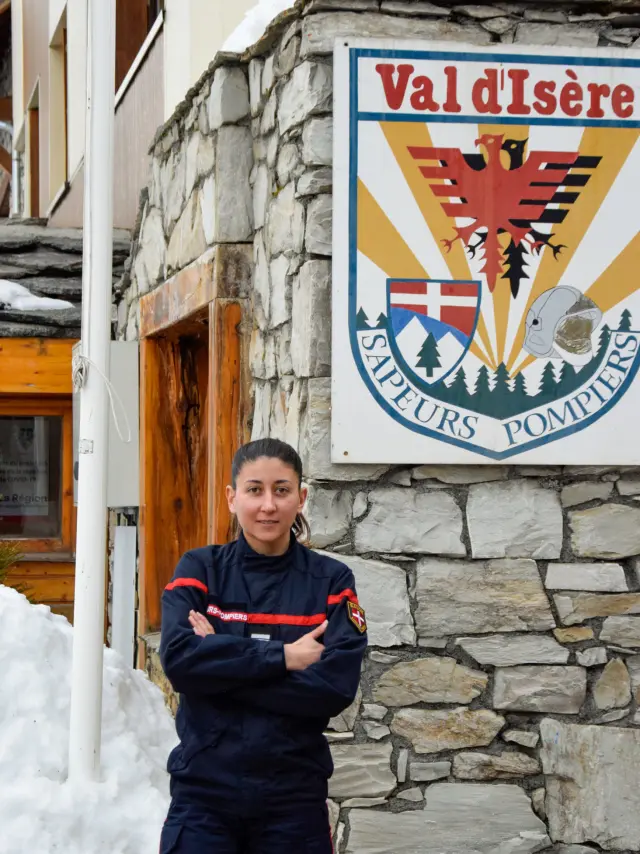
Profile: Sophie Dormoy – Mag 2
|