Working with the Forest – Louis Constantin
For over two years, Louis has been a forestry technician with the National Forestry Office (ONF) in Val d’Isère. His day-to-day work takes place in the great outdoors and involves a wide range of issues.
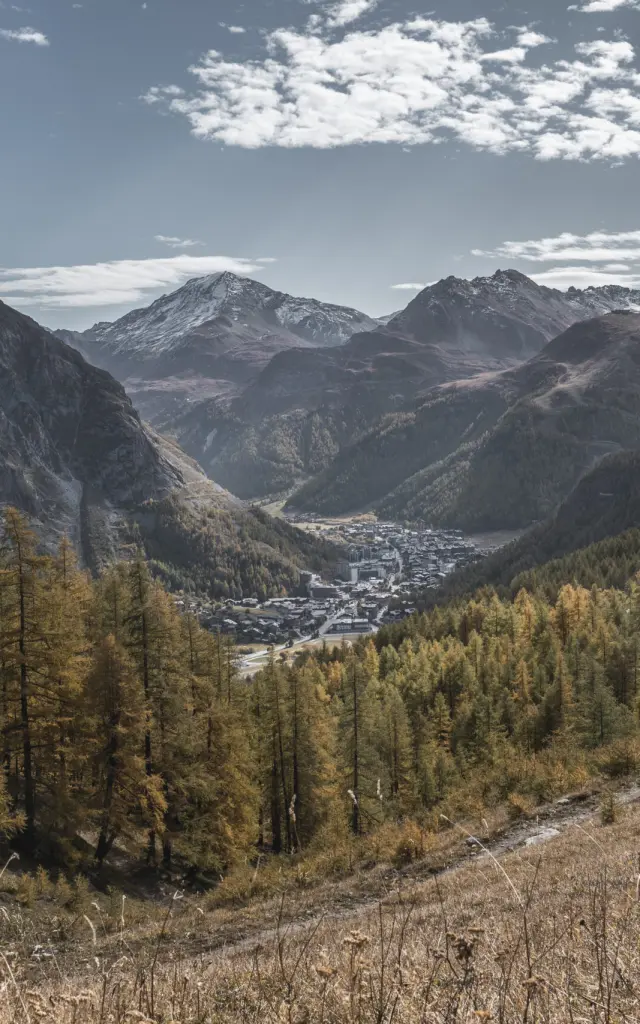
As an ONF employee, Louis is responsible for the conservation and sustainable management of the 2,000 hectares of forest in the Haute-Tarentaise entrusted to him, including 356 hectares in the Val d’Isère forest. His responsibilities are wide-ranging. Whilst his daily routine varies with the seasons, one thing is certain: he’s always out and about! During field trips, he prepares for silvicultural and landscape engineering work, carries out forest management tasks (such as taking action to promote tree growth, for example), or observes how the forests are adapting to climate change and monitors their ‘health’. He must be alert to the slightest warning sign of trouble, so that he can react and prevent minor issues from escalating. For example, he must control the formation of footpaths to limit erosion and identify the excessive growth of organisms harmful to the forests…
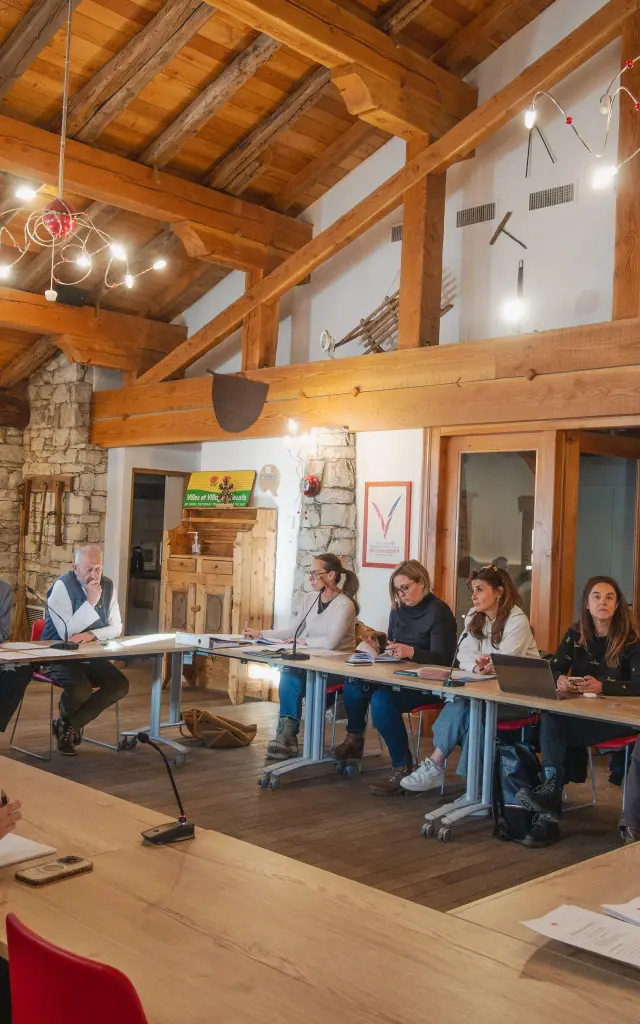
Back at the office, Louis records his observations using various technical software programmes, so as to monitor the forest and facilitate its management. He also liaises with the various stakeholders in the area – local councillors, staff from the Vanoise National Park, hunters, tourist offices, environmental organisations… – to reconcile everyone’s interests and needs. He also engages with the public during events designed to raise awareness of the forest environment, as was the case during the ‘Naturons nous!’ week.
Forestry technician at a ski resort
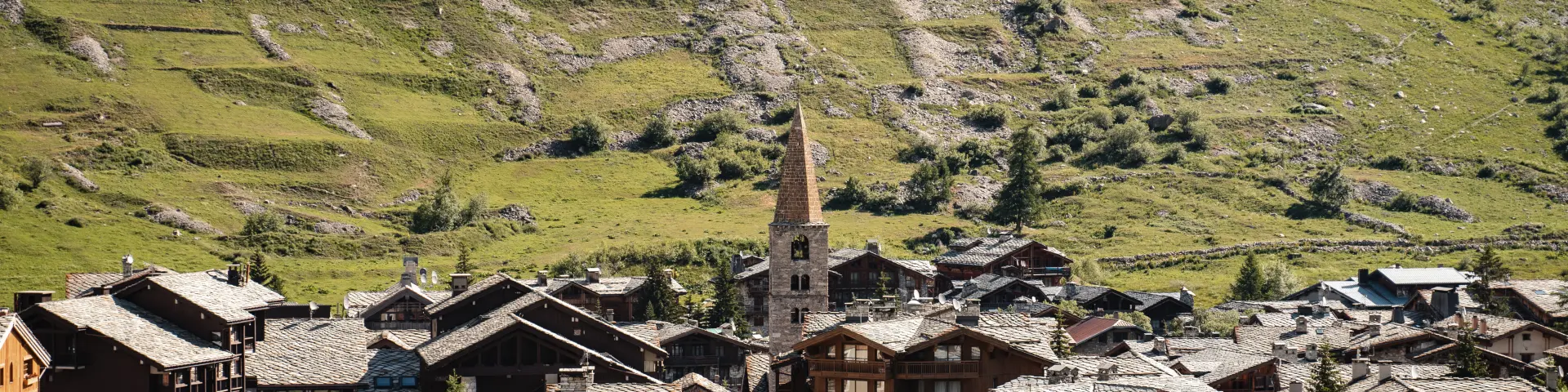
Working in a mountain forest, and even more so in a ski resort, adds a whole new dimension to the job. Economic and political considerations come into play alongside environmental concerns, and the forest finds itself, more than anywhere else, at the heart of varied and sometimes conflicting interests. A balance must therefore be struck in the management and use of the forest. In Val d’Isère, the forest’s two main roles are protection against natural hazards and providing a space for the public to enjoy. As an environmental officer, Louis ensures that the recreational use of the forest – a key factor in the development of summer tourism – does not come at the expense of its health and local biodiversity. In the Sources Forest, which has a unique ecosystem featuring protected plant species, he must, for example, find solutions in consultation with other local stakeholders to prevent mountain biking from causing erosion.
A profession with a future
It is important to preserve the forest as it constitutes a rich ecosystem, vital for biodiversity and the safety of the village and human activities. The rate of forest decline caused by climate change is increasing every year: a balance must be struck to allow the general public to enjoy the forest whilst limiting human impact, so as to ensure the forest’s resistance (= the ability to withstand a climatic event or other disturbances) and the resilience (= the ability to recover from a disturbance through the healing of the forest ecosystem) of the forest.
The forest’s timescale is not the same as that of humans; it can take years for forests to adapt to changes. Being a forestry technician therefore always requires looking as far into the future as possible, whilst trying to anticipate the various factors that may influence these forest changes: climate change, the evolving roles of forests, environmental management… The core of the work is therefore a gamble on the future: we know what we want for the forest, but how do we achieve it? Should we accelerate the regeneration of native tree species, or plant non-native species…? Which measures might work, and which will prove counterproductive in the short and long term? As the ONF is responsible for forest management, these considerations are carried out in conjunction with the local authorities that own the forests and therefore have the final say on the actions taken. Among the key considerations, particular attention is paid to ensuring that a forest contains trees of varying ages, so as to limit the effects of natural forces (rockfalls, avalanches, etc.) and to ensure the forest is more resilient and, ultimately, better able to safeguard human safety and support biodiversity.
Current projects for the Val d’Isère forest
In the downstream area, it is important to improve access to nature for the general public. This is a long-term endeavour that involves showcasing what the area has to offer and encouraging people to take ownership of it, whilst managing the flow of walkers. The primary objective is to preserve the forest’s long-term viability and health. Louis’s role is therefore to support the forest’s development by giving it a helping hand to enable it to adapt as easily as possible to climate change.
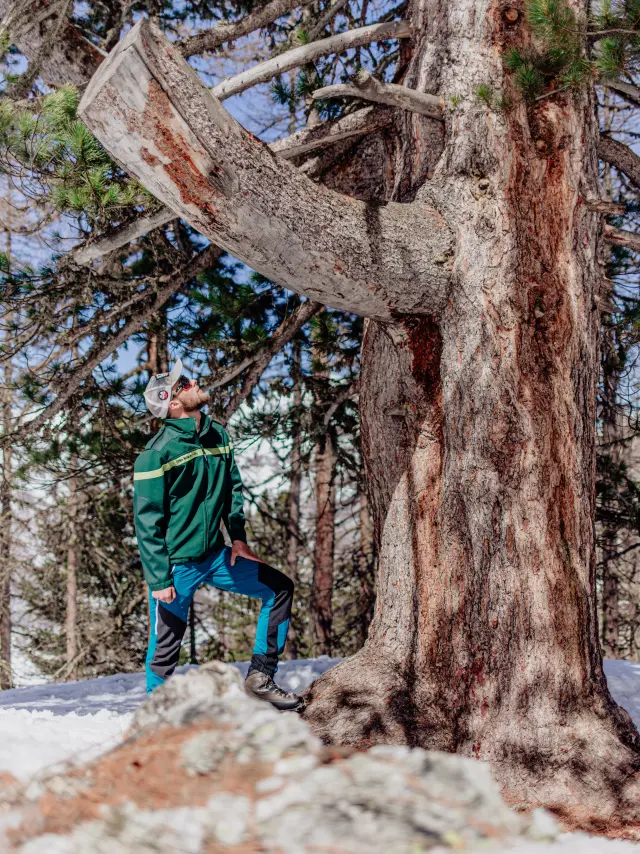
Millennium Swiss Stone Pine
|