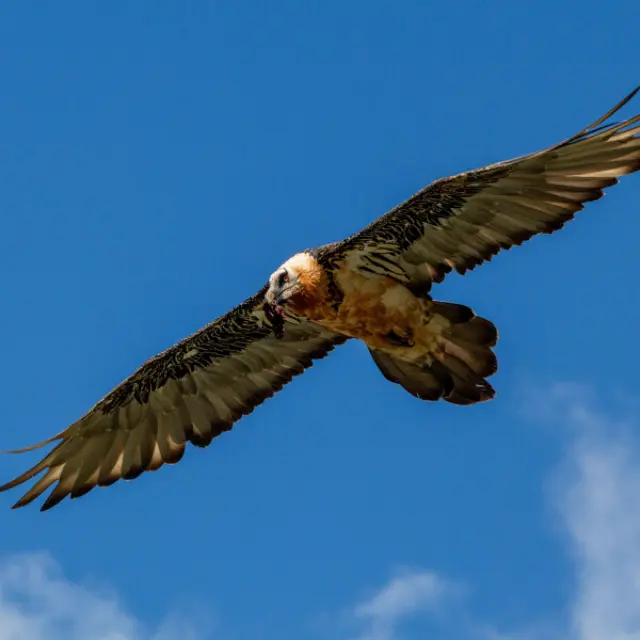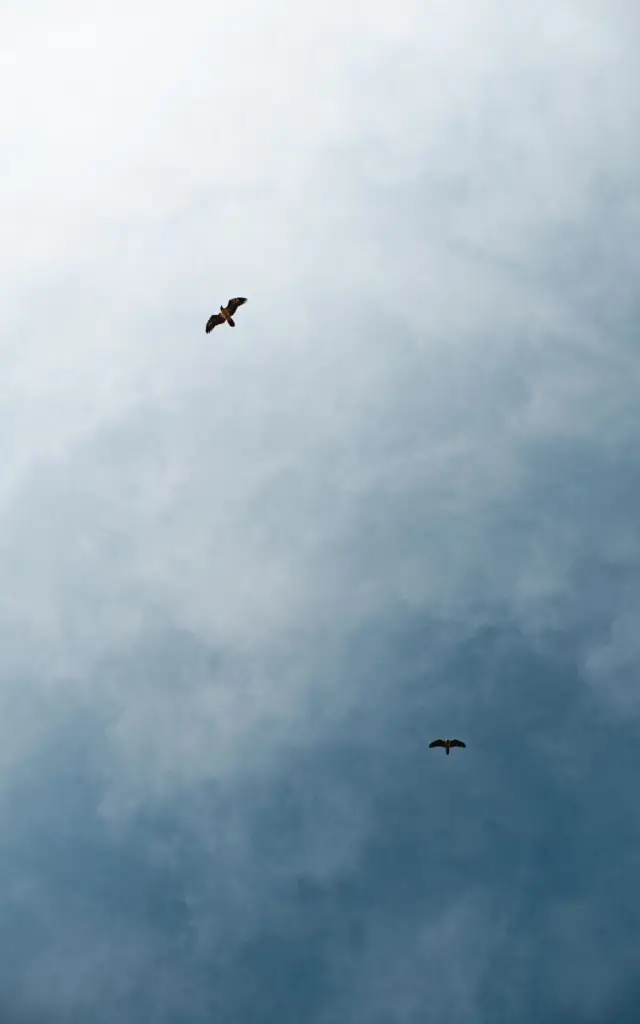
Aigles 3217 Val D Isere Tourisme Yann Allegre 1200px
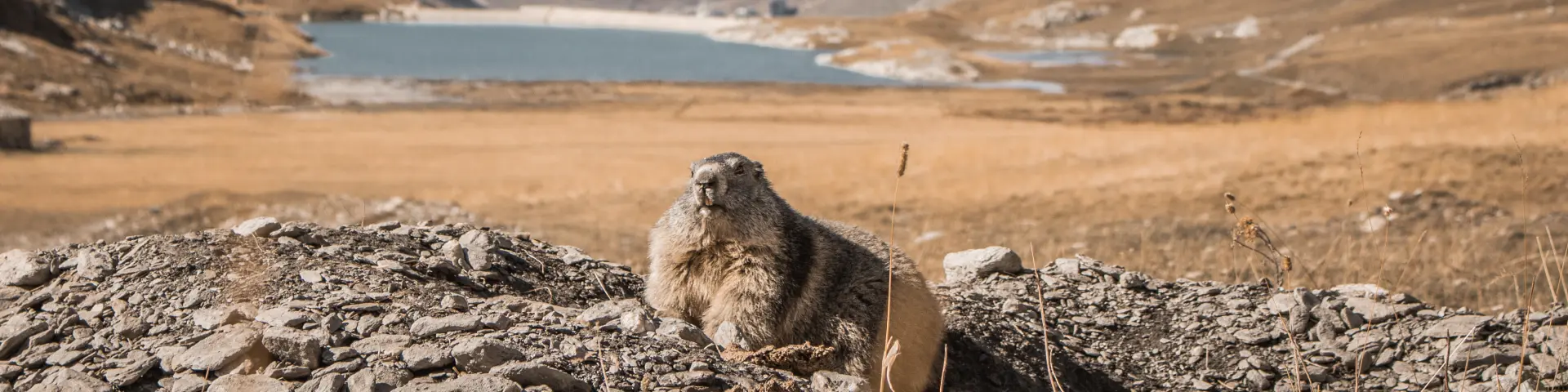
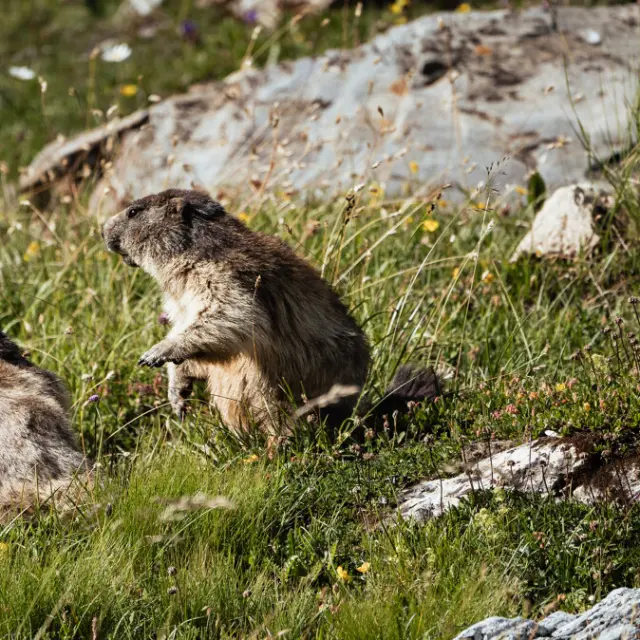
Marmottes 9102 Val D Isere Tourisme Yann Allegre
|
Aigles 3217 Val D Isere Tourisme Yann Allegre 1200px
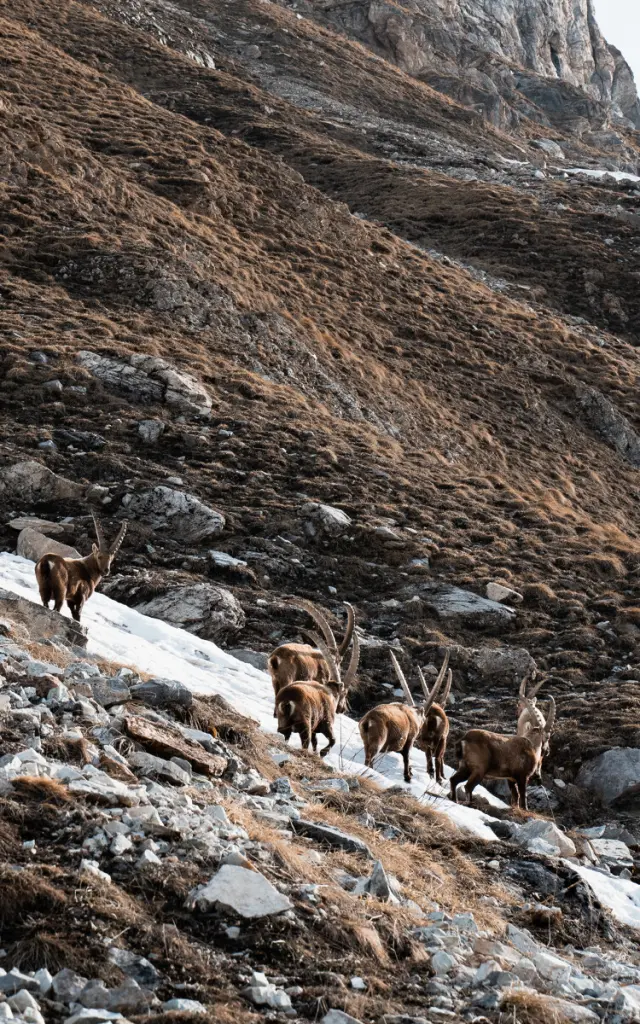
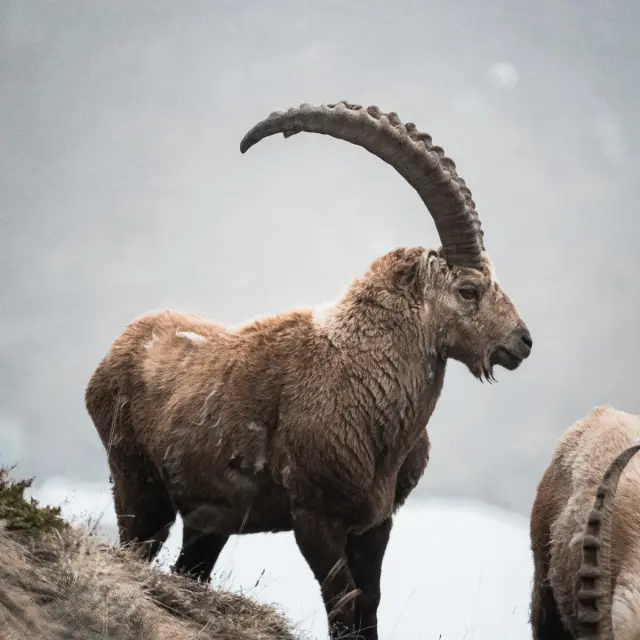
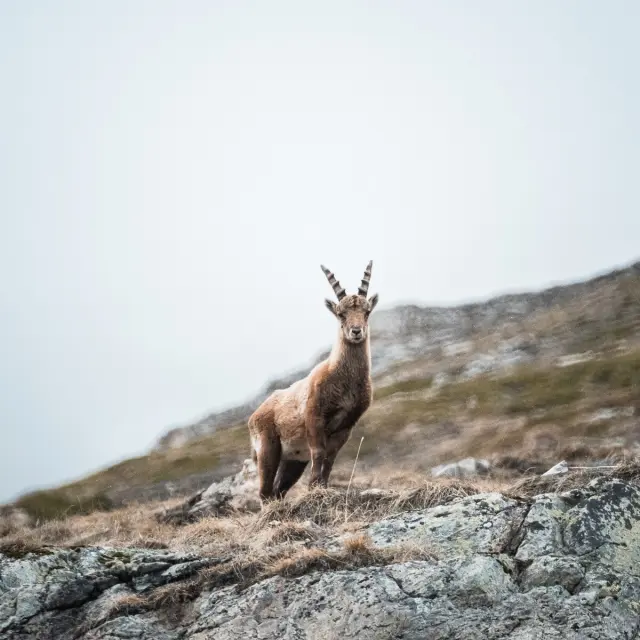
Bouquetins 9310 Val D Isere Tourisme Yann Allegre 1200px
60 per cent of Val d’Isère’s municipal area lies at the heart of the Vanoise National Park, the first national park to be established in France in 1963. Its status as a protected area explains the diversity of wildlife visible today across our landscapes, from the valley floor right up to the ridges.
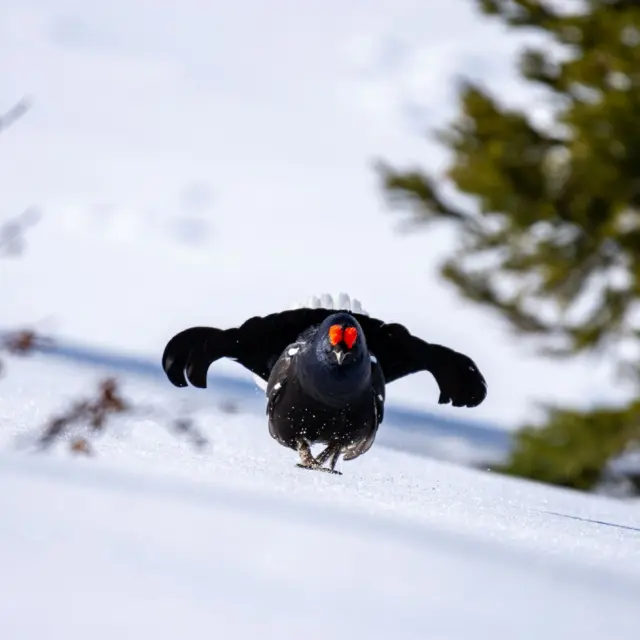
Across the Vanoise as a whole, there are around 3,000 ibex (the largest population in France), around a hundred species of mammals and 125 species of breeding birds. In Val d’Isère, these animals are regularly spotted in the valleys of Le Manchet, La Daille, Le Pont Saint-Charles and Le Fornet.
From large ungulates to rare butterflies, from majestic birds of prey to the unassuming common frog, each species plays a specific role in this balance. Some are common, others rare and protected. A few have made Val d’Isère a key site for their survival in the Alps.
The Alpine ibex nearly became extinct in the 19th century: by 1820, there were only around a hundred left, living between the Grand Paradis and the Vanoise. The Vanoise National Park was established in 1963 specifically to protect the ibex.
Do you know everything there is to know about Val d’Isère? Test your knowledge by taking our latest quiz!
Click on a species to find out about its history, its habitat and its role in our region.
In Val d’Isère, the mountains are a playground shared with their wild inhabitants. A few simple precautions are all it takes to maintain the balance.
The Vanoise National Park is the leading scientific authority on the wildlife in our region. Podcasts, species fact sheets, scientific monitoring programmes, a digital library: a range of resources is made available to the public to help them better understand the living world around us.
And when it comes to getting up close to these creatures, nothing beats being out in the field. The National Park offers guided excursions led by its park rangers all year round. It’s a chance to discover wildlife in its natural habitat, alongside those who monitor it on a daily basis.
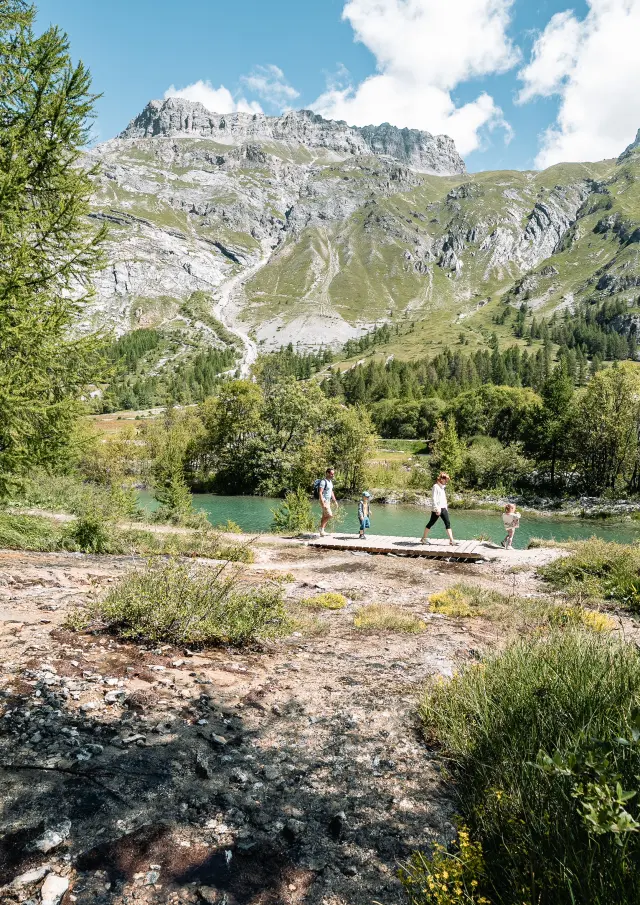
Family Outing At The Sources 23743 Val D Isere Tourisme Yann Allegre
|
The Archives, Heritage and Museum Department holds all the municipality’s documentary collections. Here you will find civil status registers, maps and plans, old photographs, planning permission documents, personal accounts and many other documents essential to understanding local history.
You may consult the archives on site, by appointment, in accordance with the consultation regulations.