Les Balades De Franck 25523 Val D Isere Tourisme Corentin Valencot 1200px
Les Balades De Franck 25525 Val D Isere Tourisme Corentin Valencot
Les Balades De Franck 25523 Val D Isere Tourisme Corentin Valencot 1200px
Balade De Franck Culinary Plants 25347 Val D Isere Tourisme Esther Vittot
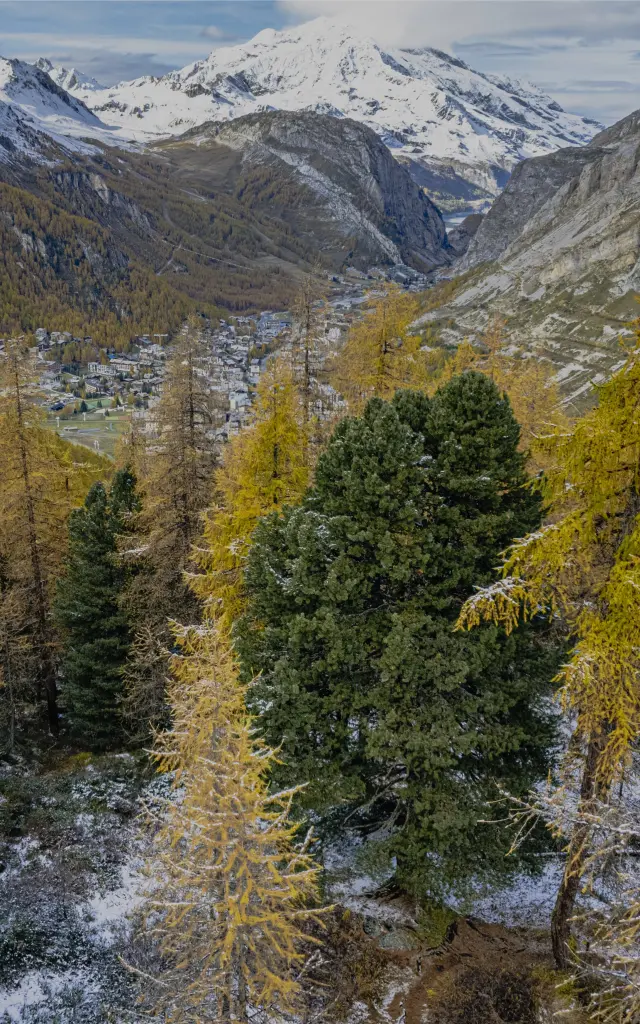
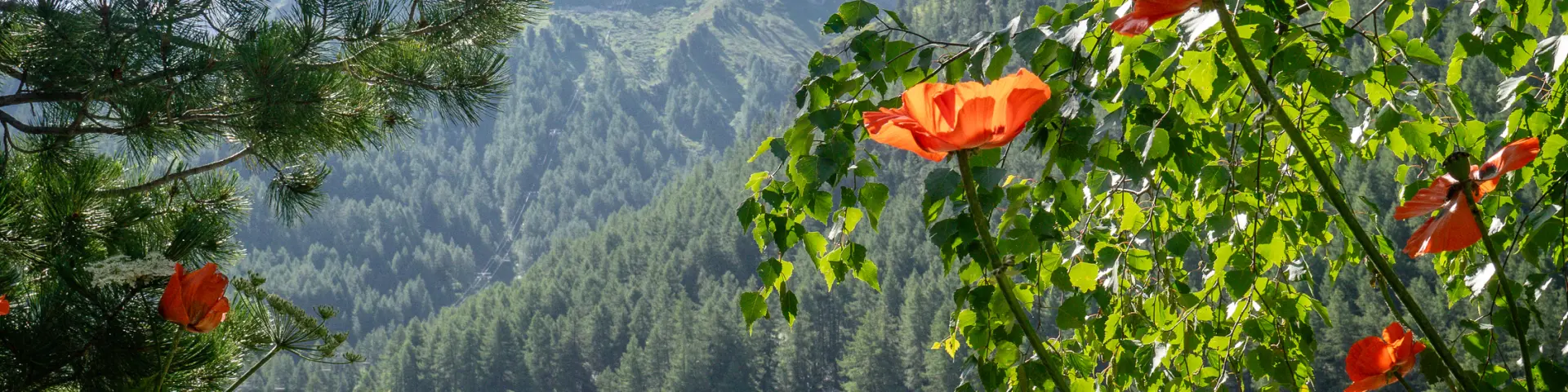
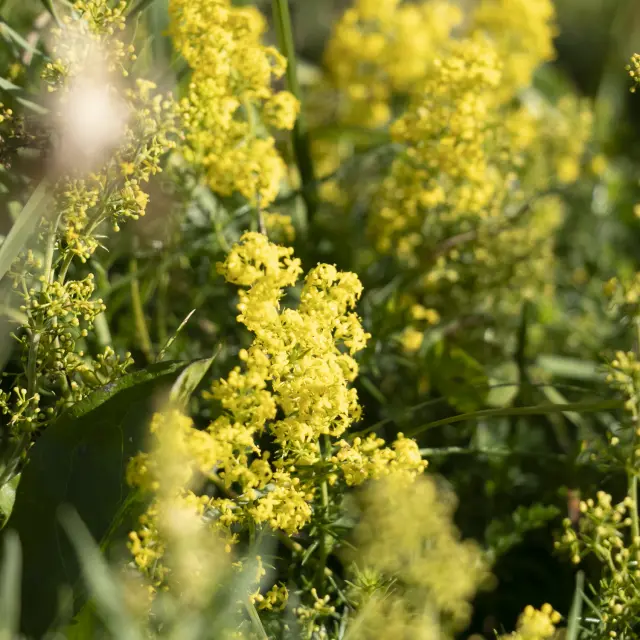
Across the mountain range, the Vanoise National Park is home to 1,700 species of vascular plants, representing a third of France’s flora within less than 0.5 per cent of the country’s territory. Val d’Isère benefits directly from this rich biodiversity, thanks to its geographical location and its exceptional range of altitudes: from the Pont Saint-Charles at 1,750 m up to the peaks overlooking the Iseran, the entire range of alpine and subalpine zones is represented within the municipality.
Added to this is a glacial legacy. 12,000 years ago, when the ice retreated, certain plants from the far north remained clinging to our high ground. These are known as arctic-alpine species: today they are found both in the Arctic regions and in the high mountains of temperate zones.
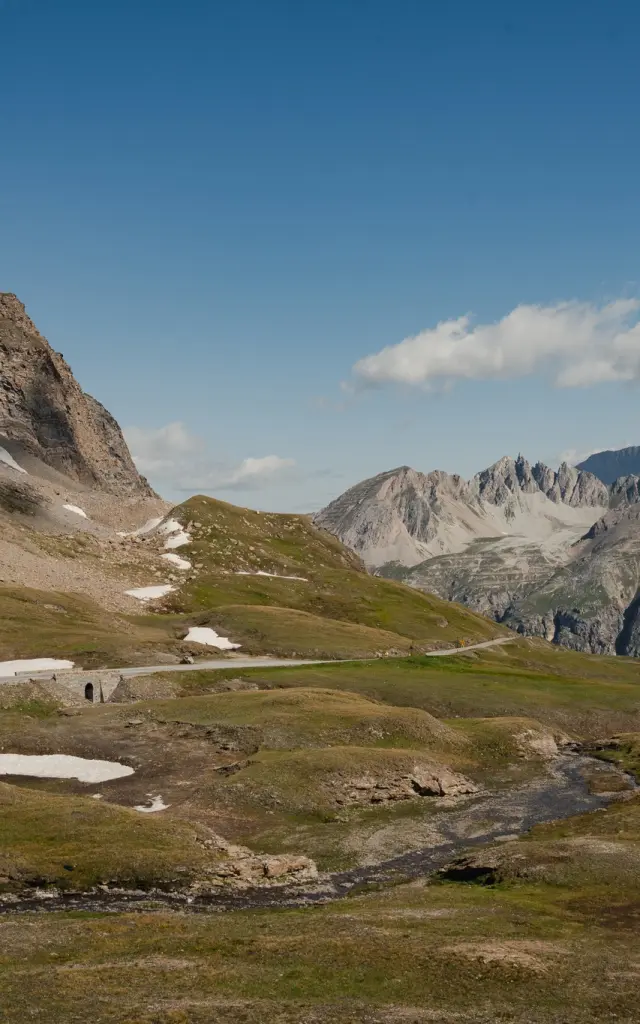
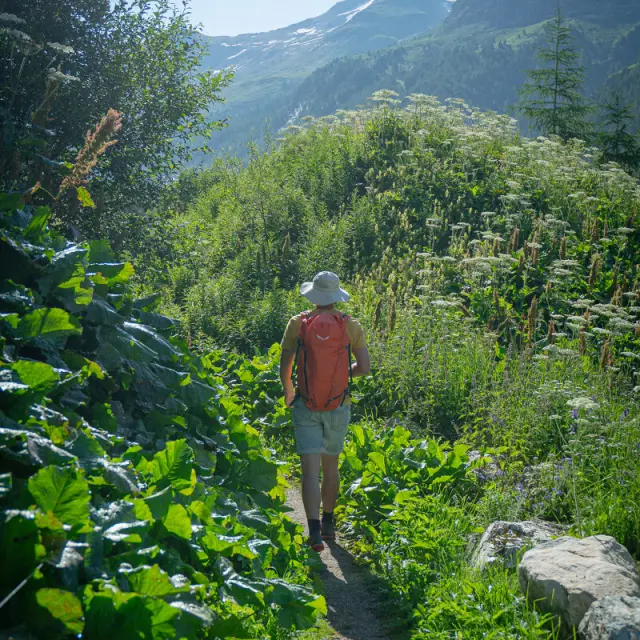
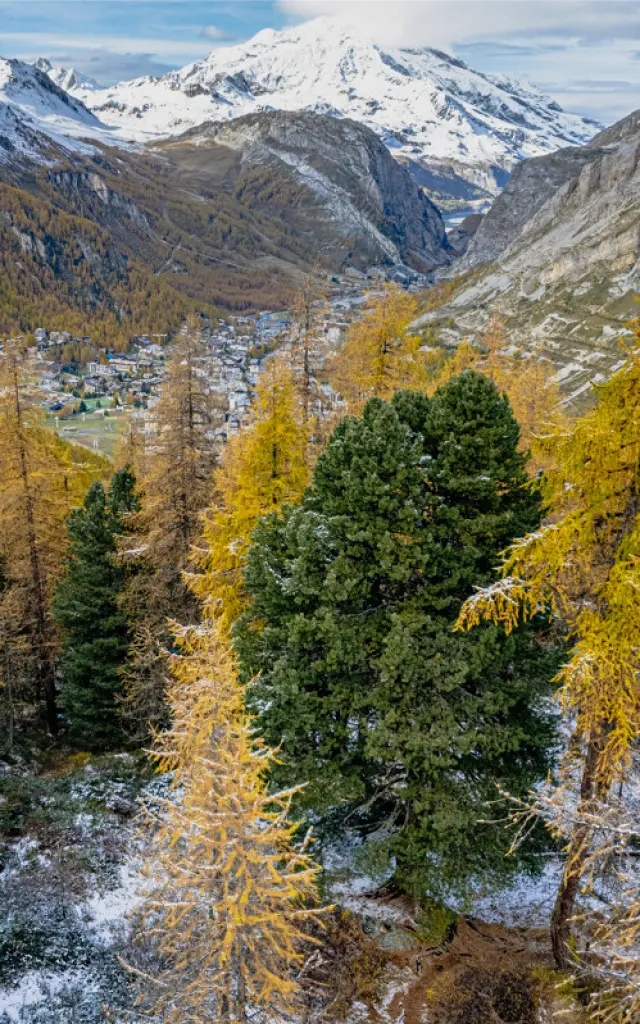
The flora of the Avalin region is not distributed at random. Each habitat has its own botanical signature, and walking from one to the next is like passing through a succession of plant landscapes.
Arolle Millénaire - Val d'Isère
|
Au Bord Du Lac De L Ouillette En Ete 25698 Val D Isere Telepherique Maxime Bouclier 1200px
The Vanoise National Park is closely studying a number of protected species that are particularly characteristic of the mountain range. All of them are found in the Vanoise. For some, their presence in Val d’Isère has been documented; for others, it is merely probable or suspected. Perhaps you’ll be the first to record their location within the municipality?
Click on a species to find out about its history, habitat and role within the mountain range.
The Val d’Isère ski area passes through some of the most fragile alpine flora: mountain pastures, high-altitude grasslands and the foothills of the Col de l’Iseran. To balance development with conservation, the Val d’Isère Cable Car Company (STVI) has operated an Environmental Observatory since 2014. Ecologists carry out patrols each season to identify the species present and delineate the areas requiring protection.
For every development project, protected flora is inventoried, collected and replanted. During the construction of the new Vallon gondola lift in 2024, several protected plant species were reintroduced to the site as part of a Binding Environmental Obligation covering 40 hectares at the foot of the Iseran – a legal commitment spanning several decades to protect the environment.
A textbook example is the Swedish Silene, a protected species recorded in the Solaise area. Following the construction of the new cable car, the Observatory monitored its recolonisation year after year. A few seasons later, the species had returned to its original population levels.
In Val d’Isère, the plants you come across on the trails and slopes are often protected, sometimes rare at European level, and always fragile. A few simple habits are all it takes to preserve them.
If you notice any damage, the picking of protected species or any concerning behaviour, please contact the Haute-Tarentaise sector of the National Park: secteur.hautetarentaise@vanoise-parcnational.fr
The Vanoise National Park is the leading scientific authority on the flora of our region. The Atlas of Rare and Protected Flora of the Vanoise brings together in a single document the distribution ranges, ecology and conservation status of every notable species in the massif — a large proportion of which are found in the municipality of Val d’Isère.
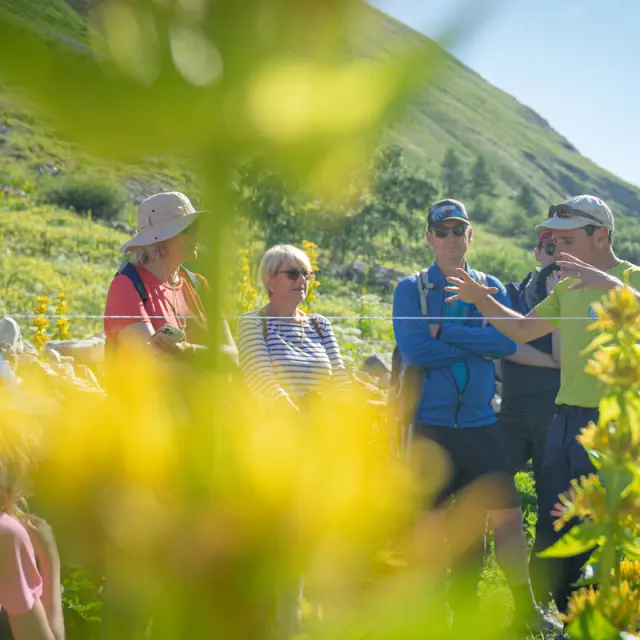
Les Balades De Franck 25526 Val D Isere Tourisme Corentin Valencot 1200px
The Archives, Heritage and Museum Department holds all the municipality’s documentary collections. Here you will find civil status registers, maps and plans, old photographs, planning permission documents, personal accounts and many other documents essential to understanding local history.
You may consult the archives on site, by appointment, in accordance with the consultation regulations.