Aigles 3217 Val D Isere Tourisme Yann Allegre 1200px
Arrivee Telecabine Du Vallon 17406 Val D Isere Telepherique Maxime Bouclier
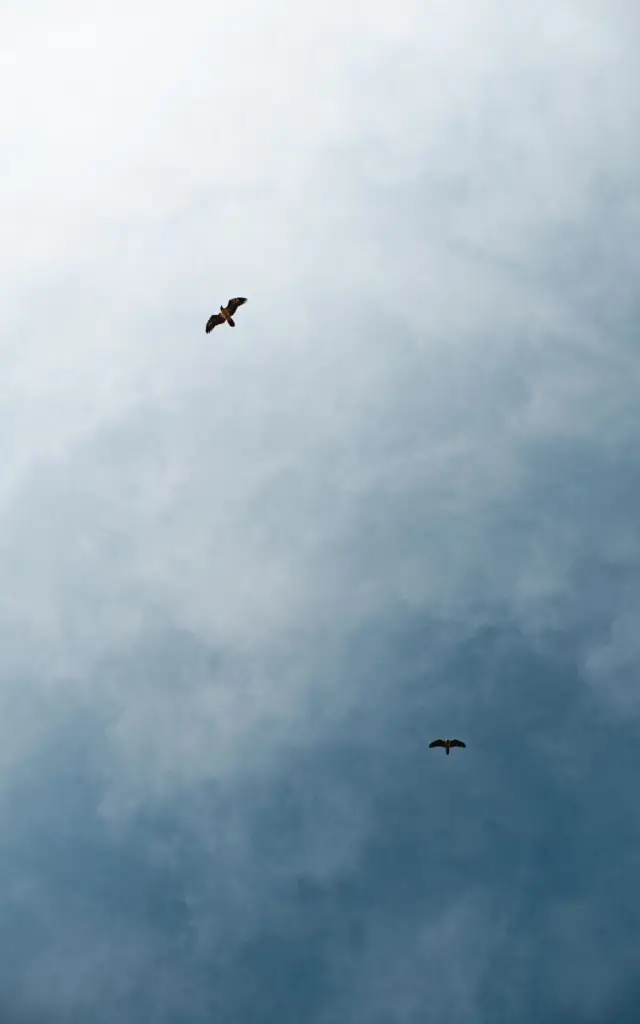
Aigles 3217 Val D Isere Tourisme Yann Allegre 1200px
Bouquetins 9310 Val D Isere Tourisme Yann Allegre 1200px
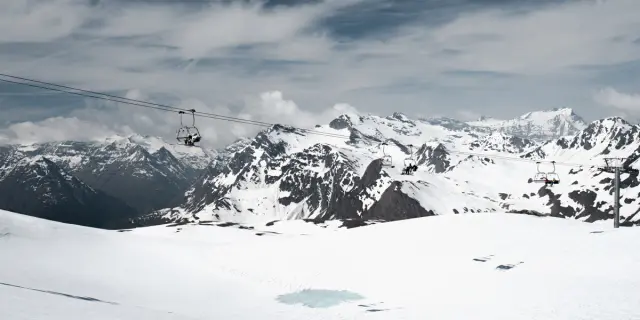
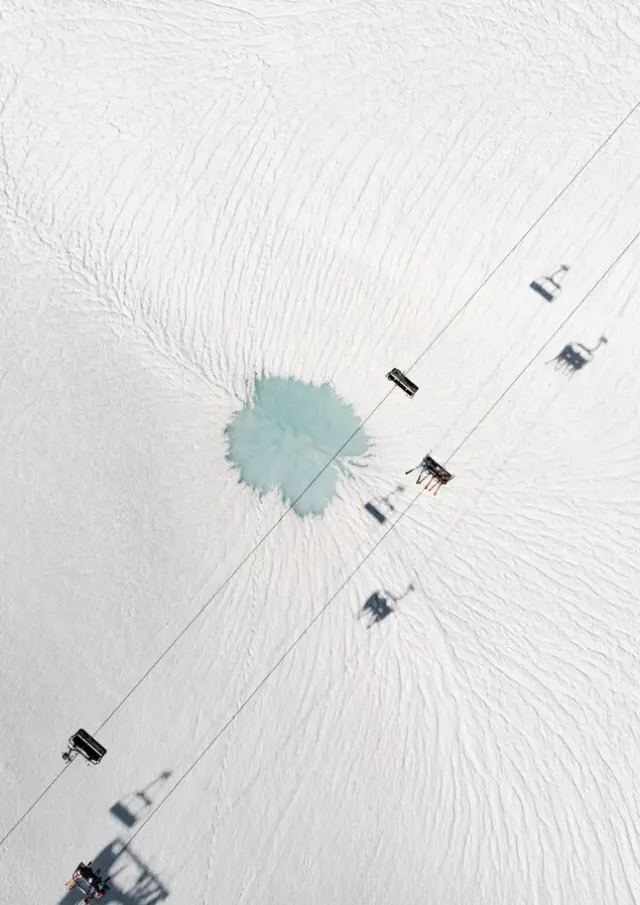
Val d’Isère is one of the few resorts where you can still ski in summer, on the Pissaillas glacier, above the Col de l’Iseran. But this privilege is dwindling year by year. Since 1850, the Vanoise glaciers have lost 60 per cent of their surface area — and the retreat has been accelerating over the last twenty years.
Across the Alps as a whole, half of the glacial volume has already disappeared. Our glaciers are not merely backdrops: they are the valley’s water reservoirs and the first indicators of climate change.
Alongside these ice giants, the massif is also home to rock glaciers: thick masses of boulders and ice that slide slowly under the force of gravity, sometimes at a rate of up to 3 metres a year. The Iseran area has one such glacier, which is closely monitored by scientists. Protected by their layer of rock, they are more resistant to melting than their pure-ice counterparts. But for how much longer? Science has not yet reached a conclusion.
The Vanoise massif is home to a third of the glaciers in the French Alps and contains the largest ice cap in continental Europe (13 km long).
Do you know everything there is to know about Val d’Isère? Test your knowledge by taking our latest quiz!
In Val d’Isère, glaciers are not merely observed: they are studied, monitored and discussed. Because we can only protect what we understand, the local council has, for several years now, chosen to open up its territory to research.
Current scientific partnerships:
This initiative forms part of Val d’Isère’s broader commitment to the region’s ecological transition.
When a glacier retreats, it does not leave behind a desert. It gives way to arctic-alpine wetlands, which are gradually colonised by amphibians, insects and rare plants. In Val d’Isère, the Bailletaz Nature Reserve, the Col de l’Iseran biotope designation and the Natura 2000 sites within the National Park protect these fragile habitats.
Nearly 60 per cent of the municipality’s territory is now under environmental protection. This is one of the most precious legacies of our glaciers: a living heritage that we are passing on to future generations.
Glacier Du Pisaillas Summer Ski 9229 Val D Isere Tourisme Yann Allegre 1200px
The Vanoise National Park leads the scientific monitoring of the massif’s glaciers and regularly publishes data, comparative photographs and studies on their evolution. It is the go-to resource for understanding what is happening, summer after summer, on our mountain peaks.
Glacier Du Pisaillas Summer Ski 7725 Val D Isere Tourism Yann Allegre 1200px
The Archives, Heritage and Museum Department holds all the municipality’s documentary collections. Here you will find civil status registers, maps and plans, old photographs, planning permission documents, personal accounts and many other documents essential to understanding local history.
You may consult the archives on site, by appointment, in accordance with the consultation regulations.