©

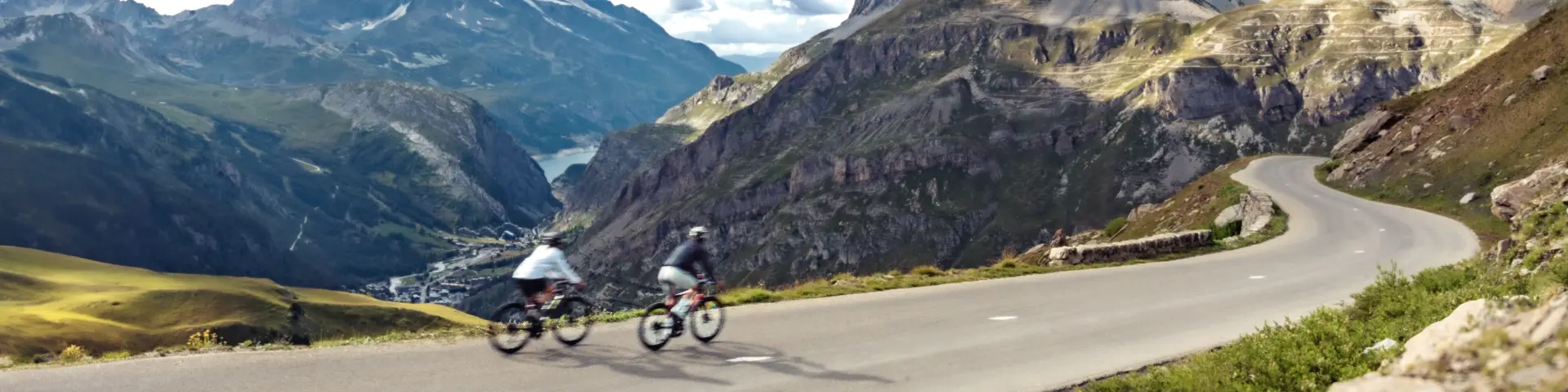
Cycling over the Col de l’Iseran

|

Corentin Valençot - Val d'Isère Tourisme

Mountain passes and panoramic views: The other side of Val d'Isère

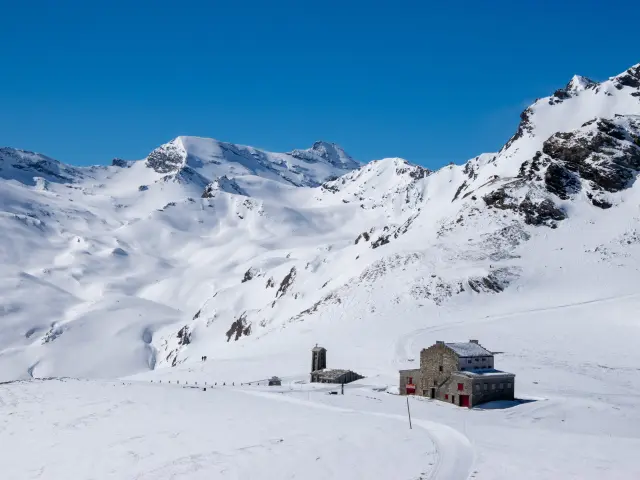
At 2,764 metres, the Col de l’Iseran is the highest road pass in Europe. A natural border, a lifeline, a stage on the Tour de France, a sanctuary for the Vanoise: the mountain passes of Val d’Isère have a thousand stories to tell.

Before becoming a road and then a stage of the Tour de France, the Col de l’Iseran was a mule track used by pedlars who set off for Valgrisenche during the off-season. The current road, opened in 1937, is closed every winter – and literally swallowed up by the ski runs of the ski area.

At the other end of the village, the Col de la Lose (2,957 m) opens out onto the Gran Paradiso and forms the boundary between two national parks: the Vanoise on the French side and the Gran Paradiso on the Italian side. Together, they form the largest protected area in the Alps.
Did you know?

The Col de l’Iseran forms part of the Route des Grandes Alpes, a 720-kilometre route linking Geneva to Monaco via 22 mountain passes.

THEMED QUIZ Do you really know Val d'Isère?

Do you know everything there is to know about Val d’Isère? Test your knowledge by taking our latest quiz!

WOULD YOU LIKE TO Would you like to browse our archives?

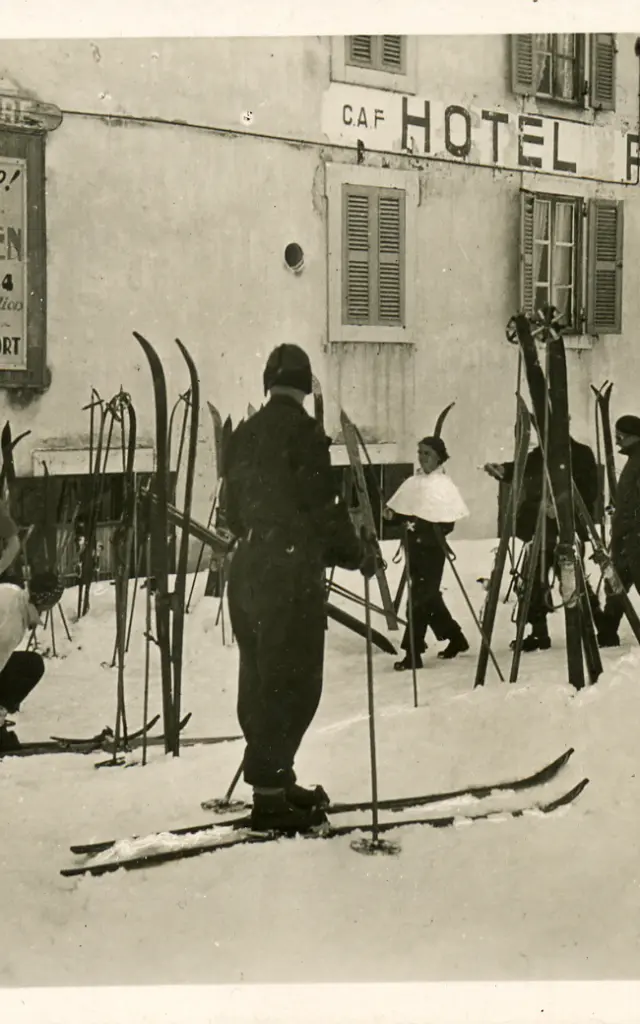
The Archives, Heritage and Museum Department holds all the municipality’s documentary collections. Here you will find civil status registers, maps and plans, old photographs, planning permission documents, personal accounts and many other documents essential to understanding local history.

You may consult the archives on site, by appointment, in accordance with the consultation regulations.

HOW TO GET THERE Further on

Val d’Isère is situated in a valley whose culinary heritage has been the subject of a fascinating project to document it. The Haute Tarentaise Vanoise Community of Communes has published “À Table!”, a guide in the Monts & Merveilles collection that traces the culinary history of the upper valley: extreme farming, bread-making traditions, alpine cheeses and recipes passed down orally. It is an essential reference for understanding what you see in our archives.