Town Hall job
©

Town Hall job

|

Anna Cantu Photographe

Illegal dumping village and countryside

A bag left at the foot of a bin, a cigarette butt on the ground, a pile of dog poo left behind: here’s how to deal with it, and why every little bit helps the village.

Littering on public roads, in open spaces or next to bins is prohibited and punishable by a fine. This includes dog mess that has not been picked up.

WHAT IS A Illegal dumping?

Illegal dumping refers to any waste left in places other than those provided for this purpose: bins, recycling centres, kerbside collection, the Extended Producer Responsibility (EPR) scheme, and public litter bins. Here are a few specific examples that council staff encounter in Val d’Isère:

  • A bag of household rubbish left next to a full bin, rather than in another bin in the neighbourhood
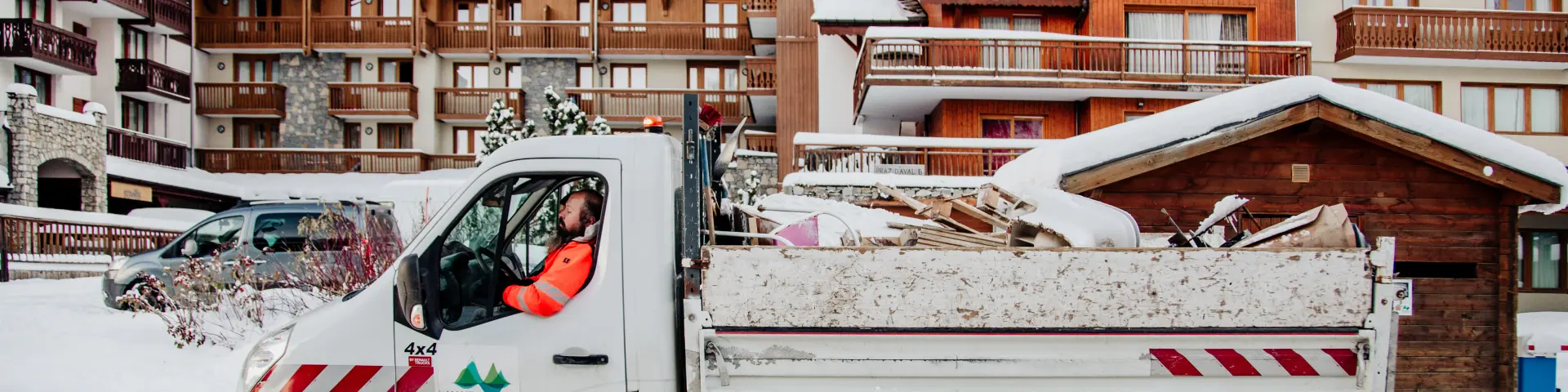
  • Bulky items (mattresses, furniture, electrical appliances) left on a pavement or at the side of the road
  • Rubble or building materials left on communal land
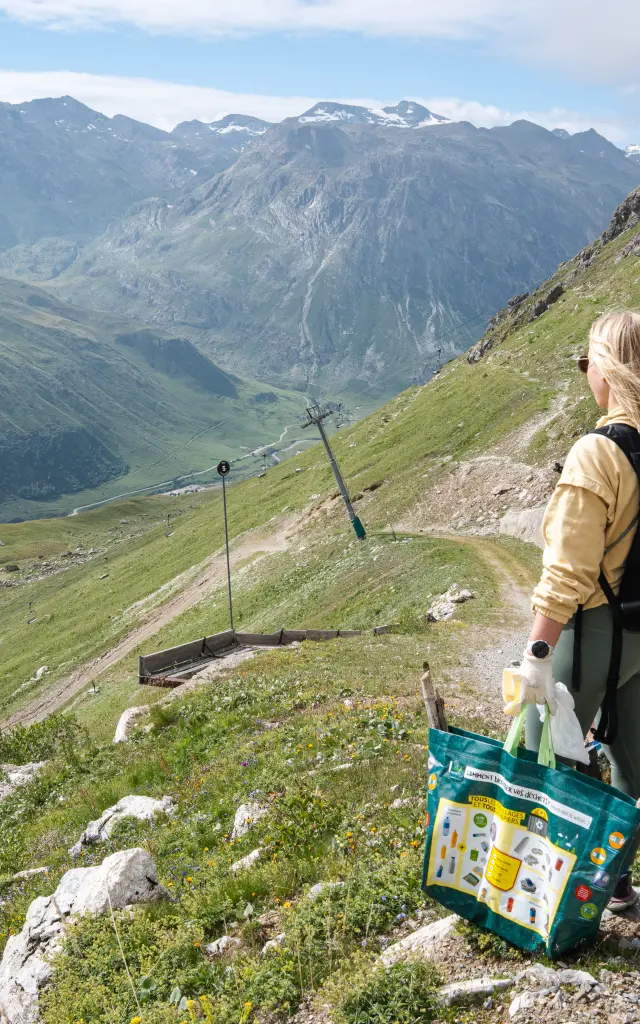
  • Bags or cardboard boxes abandoned at the side of a footpath or at high altitude
  • Cigarette ends, cans and paper discarded on public roads outside litter bins
  • Dog faeces left uncollected in a public space

This is prohibited in all cases, even if the act seems harmless. A drinks can thrown on the ground is subject to the same rule as a sofa abandoned in the mountains, albeit on a different scale.

How to report ILLEGAL DUMPING?

Do you come across fly-tipping on your way to work, whilst walking your dog, or whilst out hiking? It only takes a few seconds to report it.

  • I take a photo – using the ‘Vivre à Val d’Isère’ app, I open the reporting feature
  • I pinpoint the location – geolocation is automatic, or I can specify the exact spot
  • I send it – the officers receive the report and take action
Wastepaper bins and ashtrays: USE THE EXISTING FURNITURE

A cigarette end, a piece of paper, a bit of packaging to dispose of: there’s no need to wait until you get home to bin it. Val d’Isère has provided street bins located throughout the village.

Street bins. Located in high-traffic areas — the village centre, La Daille, Le Fornet, near the coach station, Maison de Val, school exits, and access paths to the ski area — they’re there for your small everyday rubbish.

Ashtrays. Installed near the main gathering places (entrances to public buildings, terraces, bus stops, cinema exits), they’re there for your cigarette ends. A single cigarette butt thrown on the ground pollutes up to 500 litres of water and takes 12 years to decompose.

Is a bin full, an ashtray damaged, or does a location need improving? Report it directly via the ‘Vivre à Val d’Isère’ app.

Dog faeces: PICK IT UP – THAT’S THE RULE

In Val d’Isère, as everywhere else, it is compulsory to pick up after your dog in public spaces. This isn’t a matter of the council being overzealous; it’s a matter of respect — for the ground, for passers-by, for children playing, and for pushchairs and wheelchairs passing by.

Free bags are available for you to use.

Bag dispensers are installed throughout the village to make this easier. Remember to take one before you go out, or keep a few in your pocket.

And afterwards? Once the bag is tied up, it can be disposed of in any street bin or in the nearest household waste bin. Never on the ground, never in the countryside, never in the packaging bin.

What’s the fine? Failing to pick up dog mess is an offence punishable by a fine of €135 in Val d’Isère.

Further information: the ‘Living harmoniously with your pet’ page sets out the other rules for living with pets in Val d’Isère (keeping dogs on a lead, restricted areas, vets, identification, lost and found).

Why is it forbidden, REALLY?

The ban is not a mere administrative whim. It protects four specific things in a village like Val d’Isère.

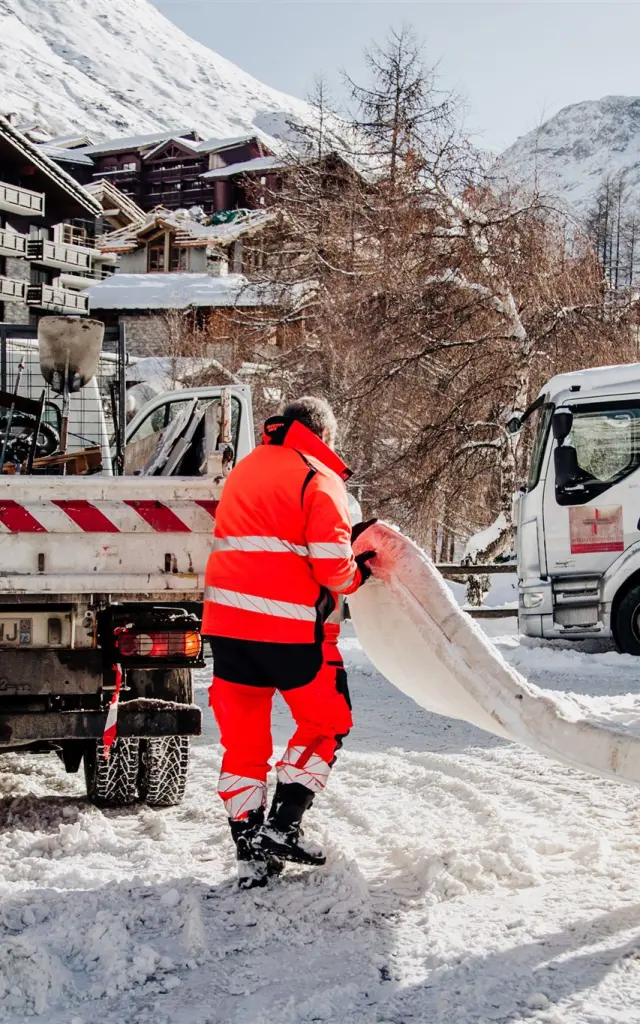
Safety. A sofa on a pavement blocks the way for pedestrians, pushchairs and wheelchairs. Rubbish left by the roadside hinders snow clearance and obstructs visibility. Rubble left lying about can injure a hiker, a child or an animal. Uncollected animal droppings can spread parasites.

The landscape. A mountain village is also experienced through the eyes. Litter damages Val d’Isère’s image for both its residents and visitors. It is also an affront to our natural heritage: the Vanoise, the footpaths and the mountain pastures are not rubbish dumps.

Nature. A plastic bag left behind at high altitude takes several centuries to break down. An aluminium can, 200 years. A glass bottle, 4,000 years. A cigarette butt, 12 years. And all of this contaminates the soil, streams and, at times, wildlife.

Public services. Recycling centres, door-to-door collection, the Extended Producer Responsibility (EPR) scheme, bins, litter bins and bag dispensers: all these facilities exist precisely to prevent fly-tipping. Every instance of fly-tipping represents an additional cost for the staff who have to clear it up – time that could be spent on other tasks.

Illegal dumping of bulky waste is punishable by a fine of up to €3,000.

BEFORE THROWING AWAY, Know your options

Most instances of fly-tipping are cases of ‘default’ disposal: people don’t know what to do with an item, so they just leave it there. The following pages cover almost every scenario.

  • Household waste: Neighbourhood bins, sorting, organic waste, healthcare waste
  • Bulky items: Les Brévières recycling centre, delivery of new items, door-to-door collection
  • Composters: Community compost bins and free compost bins at Vie Val d’Is