©

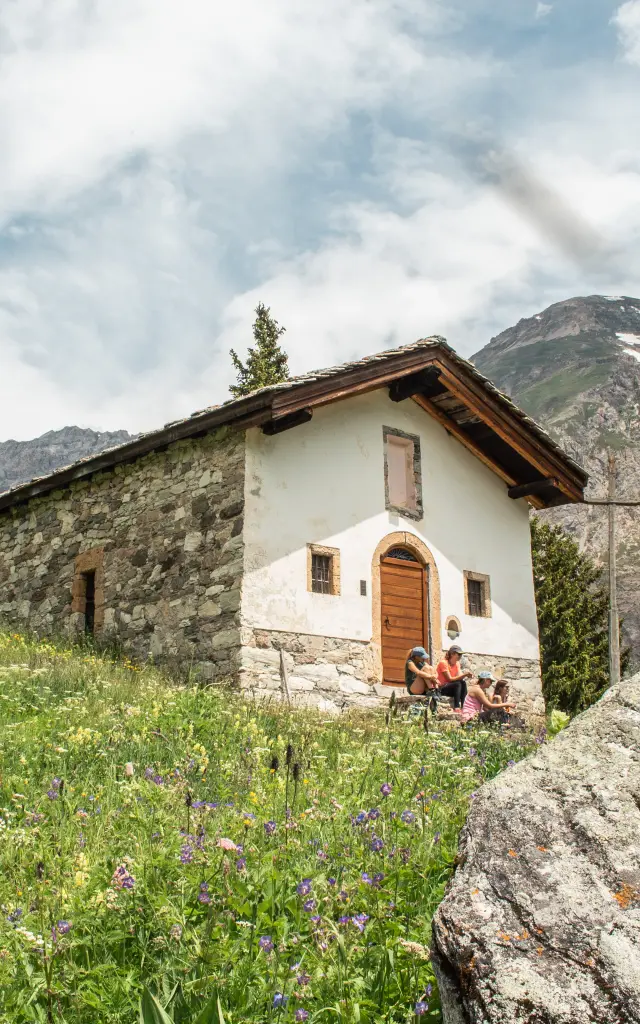
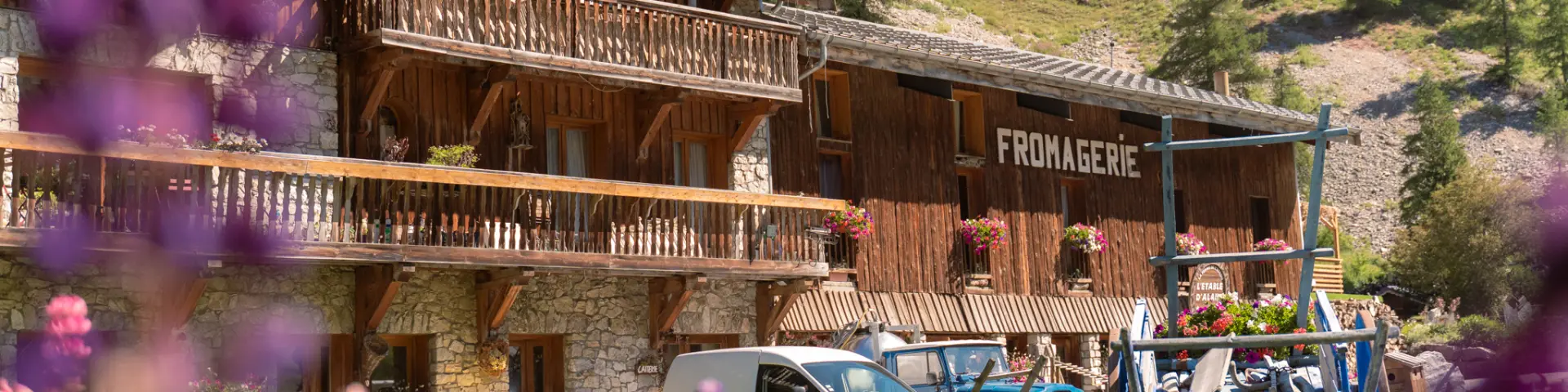
La Ferme de l'Adroit in summer

|

Elisa Vercueil - Val d'Isère Tourisme

Gastronomy and the art of living

Val d’Isère has developed around a culinary tradition rooted in necessity, ingenuity and sharing. From the earliest mountain pastures to today’s kitchens, discover through these images the flavours and traditions that have shaped the village’s culinary identity.

A cuisine born of necessity A MEMORY TO BE PRESERVED

🍴 In Val d’Isère, eating is a serious business. The altitude dictates its own rules: short, intense summers; long winters; and the need to build up supplies before the first snows fall. The productive season is half as long as the non-productive one. This constraint has given rise to a cuisine of astonishing richness; economical, inventive, passed down from mother to daughter without ever being written down.

The women of the village were the guardians of the household: they tended the vegetable patch; situated as close as possible to the house, adjoining the manure heap to shorten the food supply chain; they prepared soups, made the ‘tomme de ménage’ cheese, and hung the hams in the barns where the dry, cold mountain air did the rest. The men worked the fields and managed the communal property: dairies, ovens and mills. These roles, codified for centuries, only began to change with the development of the tourism industry in the 1960s.

🧀 Val d’Isère has its own culinary hallmarks. In 1875, at the Concours Général Agricole in Paris, blue-veined cheeses produced in Laval – the village’s former name – were exhibited alongside those from Tignes and Sainte-Foy-Tarentaise: proof that cheese from Laval already enjoyed a reputation that extended beyond the valley’s borders.

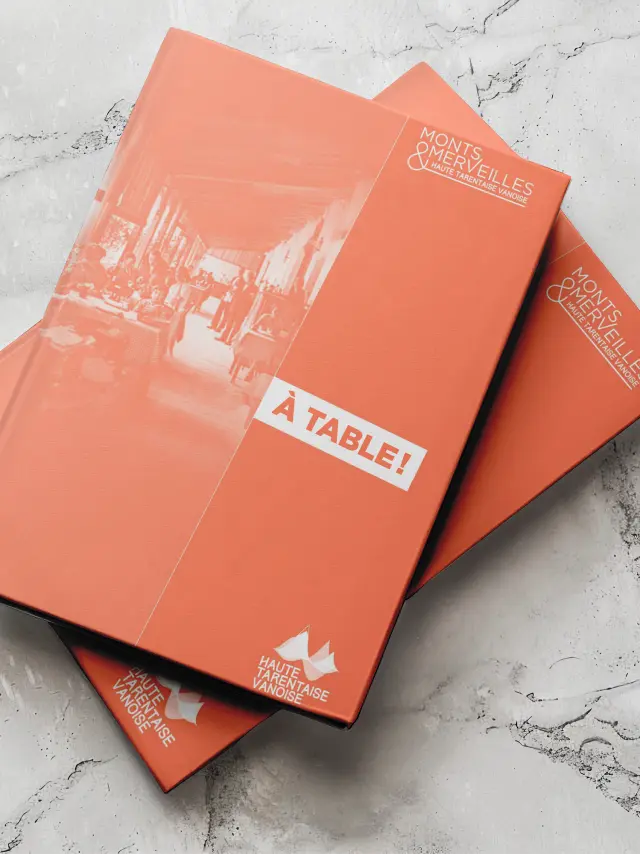
📖 More recently, the guide “À Table!” published by the Haute Tarentaise Vanoise Community of Communes has collected testimonies and recipes from residents of Val d’Isère – including Juliette Bonnevie, from Le Fornet, who passed on the recipe for bugnes, traditionally made every Shrove Tuesday.

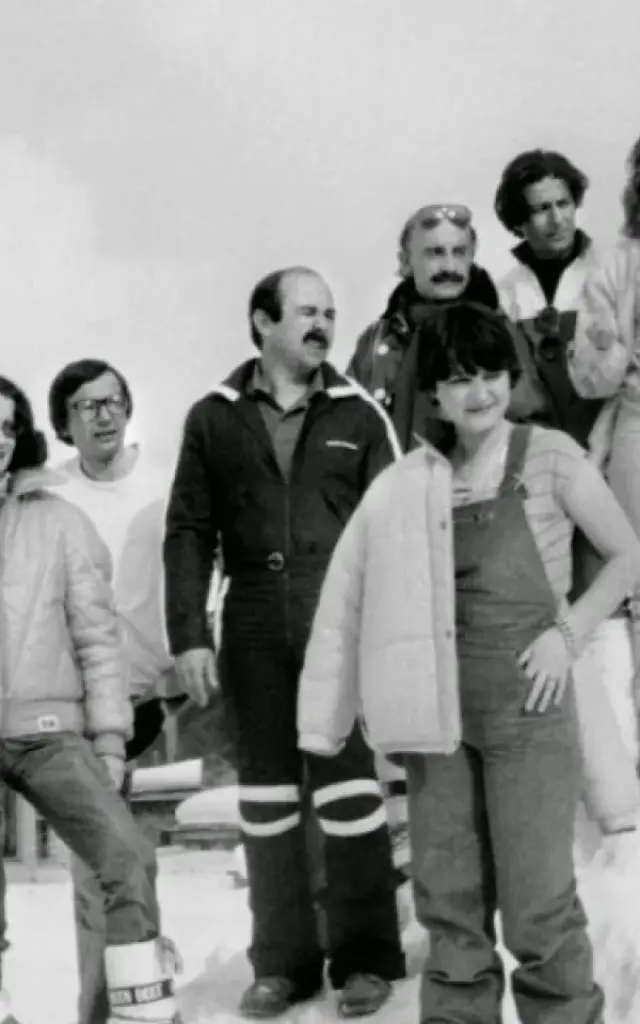
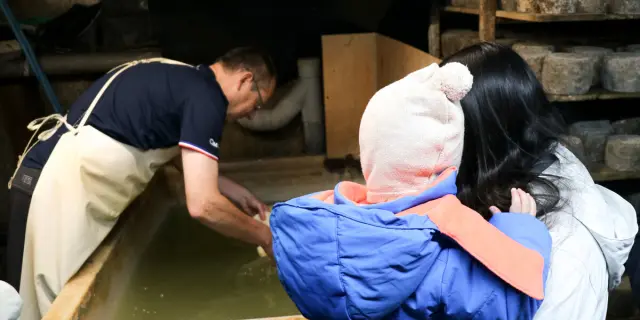
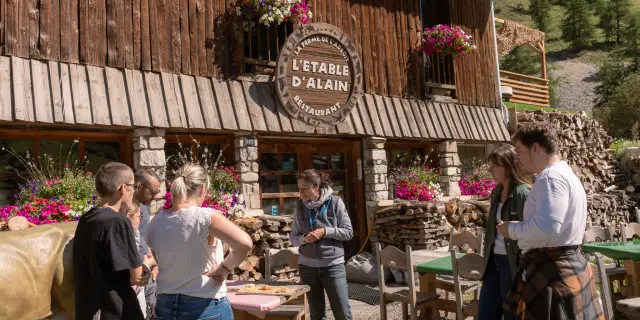
This culinary heritage is fragile. It lives on in the traditions, the stories and the photos of kitchens and vegetable gardens preserved in our archives. Take a look at the images below: they tell the story that the recipes do not.
Did you know?

Fondue, raclette and tartiflette – the iconic trio of contemporary Savoyard cuisine – are in fact relatively recent inventions. Fondue as we know it originated in Savoy in the early 20th century with the arrival of the first Swiss tourists. Raclette, served in small pans, dates back to 1978. Tartiflette dates from the 1980s. The traditional cuisine of the Tarentaise, however, is much older – and much more varied.

THEMED QUIZ Do you really know Val d'Isère?

Do you know everything there is to know about Val d’Isère? Test your knowledge by taking our latest quiz!

WOULD YOU LIKE TO Would you like to browse our archives?

The Archives, Heritage and Museum Department holds all the municipality’s documentary collections. Here you will find civil status registers, maps and plans, old photographs, planning permission documents, personal accounts and many other documents essential to understanding local history.

You may consult the archives on site, by appointment, in accordance with the consultation regulations.

HOW TO GET THERE Further on

Val d’Isère is situated in a valley whose culinary heritage has been the subject of a fascinating research project. The Haute Tarentaise Vanoise Community of Communes has published “À Table!”, a guide in the Monts & Merveilles collection that traces the culinary history of the upper valley: extreme farming, bread-making traditions, alpine cheeses and recipes passed down by word of mouth. It is an essential reference for understanding what you see in our archives.